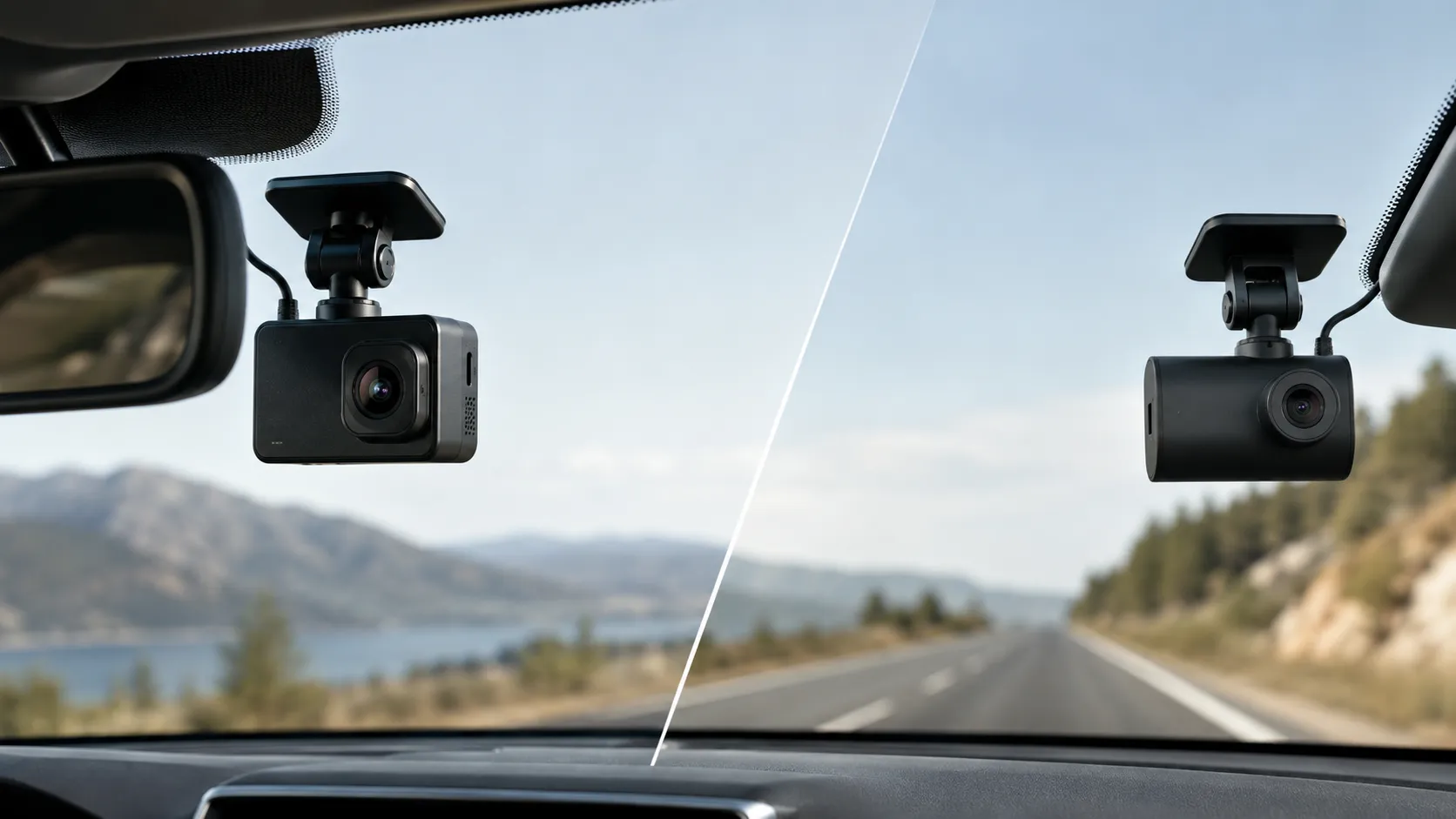
Weego Jump Starter for Cold Weather: Reliable Winter Performance

Cold weather can weaken a car battery and make it harder for an engine to start. A portable jump starter offers a backup when another vehicle is not available, and the Weego jump starter is designed to provide that help in a compact, rechargeable package.
For cold-weather use, we should focus on peak starting current, battery capacity, operating temperature, safety features, and ease of storage. A model also needs strong clamps, clear status lights, and enough charge to remain useful after sitting in a vehicle. Cold temperatures can reduce battery performance, so reliable power and proper storage matter.
We evaluated the features that affect winter starting performance to help identify whether a Weego jump starter fits your needs and how to choose the right model.
Best Weego Jump Starters for Cold Weather
We reviewed Weego jump starters for cold-weather use, focusing on starting power, battery capacity, safety features, and ease of use. Our list highlights the best options for drivers who need reliable emergency power in low temperatures.
Weego 44s Cold-Weather Jump Starter

We recommend the Weego 44s for drivers who want a compact backup that can start many cars in cold weather without another vehicle.
Pros
- Strong output for most gas engines and smaller diesel engines
- Safety features help prevent connection mistakes
- Small case stores neatly in a glove box or console
Cons
- A fully drained battery may still need more than one attempt
- Charging it after use takes planning
- The included guide keeps setup simple, but first-time users should read it before an emergency
We found the Weego 44s easy to carry and quick to connect. The Smarty Clamps and safety alerts made the three-step process clear, which helped us avoid the guesswork common with standard jumper cables.
Its high starting output gives it a useful edge during cold weather, when batteries often lose power. We would still keep the jump starter indoors during extreme cold and check its charge before a long trip.
The compact case kept the clamps and charging cords organized. After use, we would recharge the unit right away rather than rely on its ability to hold a charge for months.
For regular cars, SUVs, motorcycles, and similar vehicles, the Weego 44s offers a practical balance of power, safety, and size. Its two-year warranty and 180-day satisfaction guarantee also add useful coverage.
Weego 70 Cold-Weather Jump Starter

We recommend the Weego 70 for drivers who want a powerful, simple jump starter that stays ready during cold-weather emergencies.
Pros
- Strong starting power for gas engines and up to 5L diesel engines
- Safety features help prevent connection mistakes
- Compact design, flashlight, and device-charging support
Cons
- USB charging may stop before a phone reaches full power
- The unit still needs periodic charging and storage checks
- Its 3.5-pound weight may feel heavy in a small glove box
We found the Weego 70 easy to use when a vehicle battery would not start. The Smarty Clamps and step-by-step guidance made the connection process clear, even for drivers with little jump-start experience.
Cold weather places extra strain on weak batteries, so the unit’s high starting output gives us useful backup. It can also serve larger vehicles, boats, and equipment, making it more flexible than a basic car-only jump pack.
The compact case fits well in a trunk, and the built-in flashlight helps when we work in low light. We also like that it can hold a charge for months, but we would still check and recharge it before winter travel.
The power bank works for small devices, though we would not rely on it as a main phone charger. Overall, the Weego 70 offers practical cold-weather protection, strong safety controls, and enough power for many household vehicles.
NOCO Boost GB40

We recommend the NOCO Boost GB40 for cold-weather drivers who want a compact, dependable jump starter with simple safety features.
Pros
- Starts many cars, trucks, motorcycles, and other 12-volt vehicles
- Reverse-polarity and spark-proof protection make setup easier
- Rugged case, flashlight, and phone-charging power bank add useful extras
Cons
- Charging the unit before winter use is essential
- The included storage bag offers limited protection
- It may not suit large diesel engines
During cold weather, a weak battery can leave us stuck without warning. We found the GB40 easy to carry and quick to connect, making it a practical backup for a vehicle glove box or emergency kit.
The safety system helped us feel more confident while attaching the clamps. The unit also has enough power for many common gasoline engines, although we would check the engine-size limits before relying on it for a larger truck or diesel vehicle.
Its flashlight was useful during low-light checks, and the USB power bank gave us another way to charge a phone. The rubberized case should handle normal roadside use, but we would still store the GB40 in a dry place and recharge it before a long cold-weather trip.
Overall, the GB40 works best for drivers who want a small jump starter from an established brand. It cannot replace regular battery maintenance, but it gives us a reliable option when freezing temperatures expose a weak battery.
ANFLAG BD70 Jump Starter
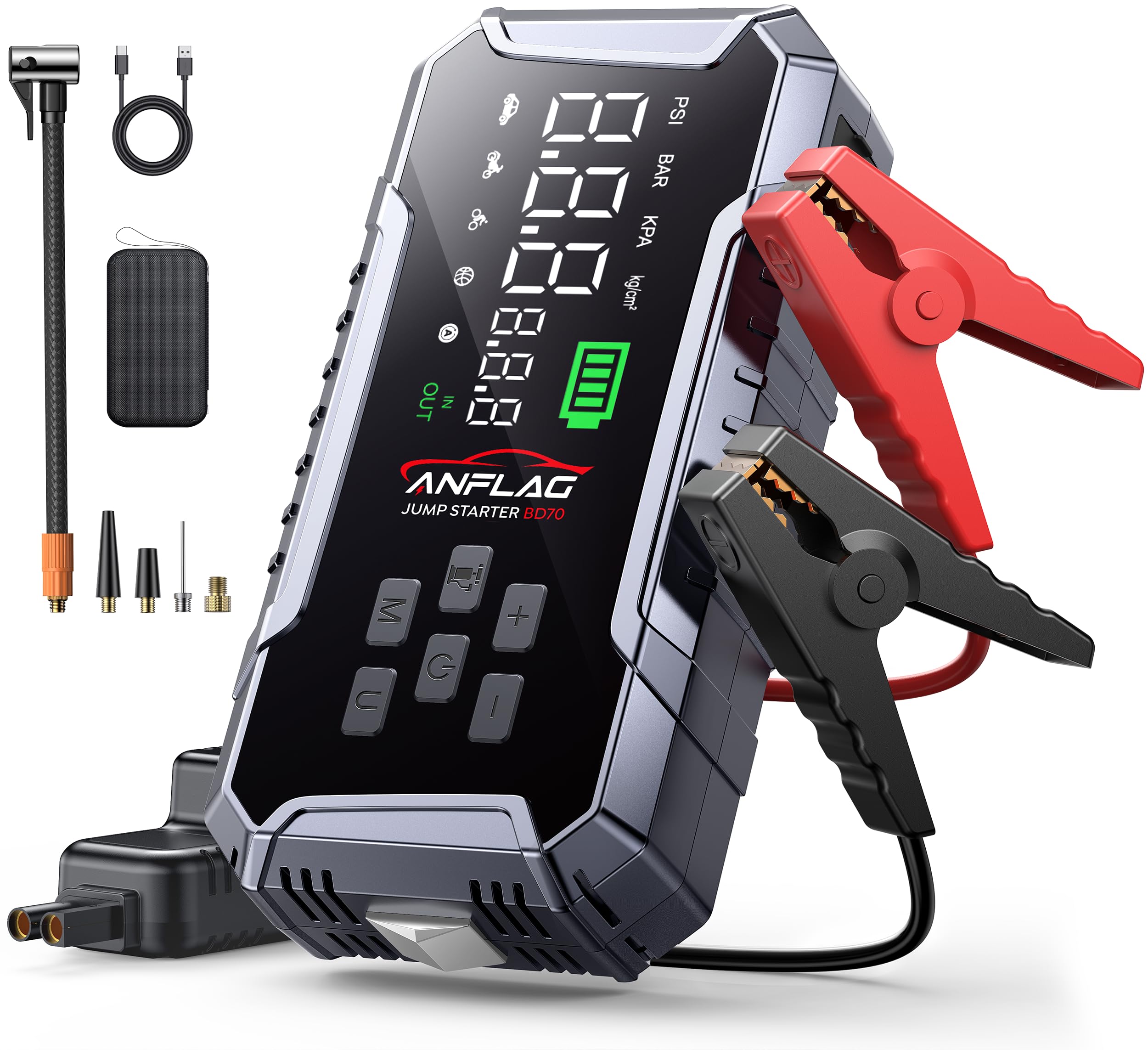
We recommend the ANFLAG BD70 for cold-weather drivers who want a jump starter, tire inflator, and power bank in one compact kit.
Pros
- Strong starting power for many 12V cars and trucks
- Built-in inflator with a clear pressure display
- Bright light, USB charging, and useful safety tools
Cons
- The pump can be noisy during use
- Several functions may feel unnecessary for basic drivers
- We still need to keep the unit charged before winter trips
We found the BD70 easy to carry and simple to use during roadside checks. The booster cables connected securely, while the force-start button helped when a battery had little power left. Cold temperatures can reduce battery performance, so we would store this unit indoors when possible and charge it before a long trip.
The built-in air compressor adds real value. We used the display to check tire pressure and set the target level before inflating. The pump takes time to fill a fully flat tire, but it works well for topping up low tires and avoids carrying a separate inflator.
Its large battery also charges phones and powers the emergency light. The light offers several modes for nighttime work, and the carrying case keeps the cables and nozzles together. However, the many features make the device less focused than a basic jump starter.
For winter use, the BD70 offers useful backup power and tire support in one package. We would choose it for drivers who want broad roadside coverage, while those seeking only a small booster may prefer a simpler model.
Clore Automotive JNC660 Jump-N-Carry

We recommend this jump starter for cold-weather drivers who want strong starting power, long cables, and a sturdy design.
Pros
- Strong output for cars, trucks, vans, and other 12-volt vehicles
- Long, heavy-duty cables make battery connections easier
- Built-in meter shows the battery pack’s charge level
Cons
- Heavy and bulky compared with compact lithium models
- Lead-acid battery needs regular charging
- Lacks modern USB charging ports
We found the JNC660 easy to position beside a vehicle, even when snow or ice limited access to the battery. Its long cables gave us more room to work, while the solid clamps held securely on the terminals.
Cold weather can reduce a vehicle battery’s available power. This unit’s large internal battery and high starting output gave us more confidence when helping a weak battery. The built-in voltmeter also helped us check the jump starter before use.
The main drawback is its weight. At about 18 pounds, it does not feel like a small emergency gadget, and its lead-acid battery requires more care than newer lithium designs. We also missed having USB ports for charging phones or other devices.
For drivers who value starting power over compact size, the Clore Automotive JNC660 remains a practical cold-weather choice. We would keep it in a garage, truck, or service vehicle and recharge it regularly.
Buying Guide
When choosing a jump starter for cold weather, we should match its capacity to the vehicle and climate. Cold temperatures reduce battery performance, so we should look for a model rated for winter use and suitable for the engine size.
| Feature | What we should check |
|---|---|
| Peak current | Choose enough power for the vehicle’s engine, especially larger gas or diesel engines. |
| Operating range | Confirm that the unit works at the temperatures we expect. |
| Battery capacity | Higher capacity can provide more starting attempts between charges. |
| Cable length | Longer cables make it easier to reach the battery terminals. |
| Safety protection | Look for reverse-polarity, short-circuit, overcharge, and overheat protection. |
| Charging options | USB ports and a 12-volt outlet can add practical value during travel. |
We should also check the unit’s size, weight, and storage case. A compact design fits more easily in a vehicle, while a sturdy case can protect the jump starter from moisture, dust, and impact.
Before buying, we should review the charging time, battery storage period, warranty, and included cables. We should select a model with clear instructions, visible status indicators, and clamps that attach securely to the battery terminals.
Editor’s picks
We favor the Weego 44s for most drivers who need a compact jump starter for cold-weather emergencies. Its portable design and built-in safety features make it practical for cars, small SUVs, and everyday winter driving.
| Pick | Best for | Why we chose it |
|---|---|---|
| Weego 44s | Most drivers | Balanced power, size, and ease of use |
| Weego 66s | Larger engines | Higher starting capacity for trucks and SUVs |
| Weego 22s | Small cars | Lightweight backup for compact vehicles |
For larger engines, we would choose the Weego 66s. It offers more starting power, which can help when cold temperatures reduce battery performance. We still recommend checking the model’s engine-size rating before purchase.
The Weego 22s suits drivers who want a smaller emergency device for compact cars. It takes up less space, but its lower capacity may not fit larger engines or heavily drained batteries.
Cold weather can reduce a jump starter’s available power. We store the unit indoors when possible, charge it before winter trips, and inspect the cables and battery level before use.
Frequently asked questions
Does a Weego jump starter work in cold weather?
Yes. Weego models can help start a vehicle in cold conditions, but low temperatures reduce battery power. We should keep the jump starter fully charged and store it in a warm, dry place when possible.
Should we warm the jump starter before use?
If the unit feels very cold, we should let it warm indoors before connecting it. We must keep it away from direct heat, flames, and water.
How should we prepare our vehicle?
We should turn off the ignition, lights, heater, radio, and other electrical devices. We also need to check the vehicle and jump starter manuals for the correct connection steps.
Can we leave a Weego jump starter in the car?
Cold storage can lower its charge and performance. We should remove it from the vehicle during freezing weather and recharge it after each use.
What if the vehicle does not start?
We should check that the clamps connect to clean, secure battery terminals. If the engine still does not start after a few attempts, we should stop and seek professional help rather than repeatedly cranking the engine.
How often should we charge it?
We should check the charge before winter trips and recharge the unit according to the manual. Regular checks help ensure the battery has enough power when we need it.
Conclusion
We find a Weego jump starter useful for cold-weather driving when its battery is charged and stored correctly. Cold temperatures can reduce a car battery’s power, so the unit should provide enough starting support for many common vehicles.
We should keep the jump starter indoors when possible and charge it before winter trips. Checking the cables, clamps, and charge level before use can help prevent delays during an emergency.
A Weego unit does not replace a healthy vehicle battery or regular maintenance. We should follow the manual, connect the clamps in the correct order, and avoid using the device if its case, cables, or battery show damage.