Do Cheap Dashcams Work? What Budget Buyers Should Know

So, do cheap dashcams work? Yes, many can record basic daytime footage and provide a useful account of what happened. The risk is consistency. Very low-cost models may struggle with night detail, heat, weak mounts, unreliable apps, or memory-card errors. A budget dashcam is worth using only after you test its video and recording reliability.
A cheap dashcam can be better than having no camera when it records clearly and saves files reliably. It suits basic daytime driving and limited budgets. Spend more when you need strong night footage, dependable parking mode, front-and-rear coverage, better heat tolerance, or faster access to important clips.
Price alone does not decide whether a dashcam works. A simple camera with stable recording can be more useful than a feature-heavy model that freezes or loses files.
In my view, the best budget choice is not always the cheapest listing. It is the lowest-cost camera that can pass a few basic checks for video, storage, power, mounting, and support.
What Does “Work” Mean?
A cheap dashcam works when it starts with the vehicle, records each trip, saves an important clip, and produces footage that helps explain an incident.
It does not need premium cloud features or perfect 4K video to be useful. It does need dependable power, a stable mount, a suitable memory card, and readable files.
For more help comparing camera features, visit our car electronics guide.
What Cheap Dashcams Can Do Well
Record Basic Daytime Trips
Many low-cost models can record a clear general view of the road in daylight. They may show traffic flow, lane position, signal changes, and the order of events.
This can be useful after a minor crash or road dispute. The video may help explain direction, timing, and vehicle movement.
Provide Simple Loop Recording
Loop recording lets a dashcam keep recording when the card becomes full. The camera overwrites the oldest ordinary clips while protected files remain saved.
Nextbase explains that loop recording automatically replaces the oldest footage when storage fills. Review the official loop-recording explanation.
Offer Basic Incident Protection
Some budget cameras can protect a clip when their impact sensor detects a sudden event. Others let you press a button to lock the current file.
Check how the exact model protects clips. An oversensitive sensor may fill the protected folder with normal bumps, while a weak setting may miss a minor impact.
Where Cheap Dashcams Often Fall Short
The weakest areas are usually consistency, night video, storage reliability, heat handling, mounting quality, and support.
| Area | What May Work | Common Limit |
|---|---|---|
| Day video | General road view | Weak fine detail |
| Night video | Nearby vehicles | Glare and blur |
| Mount | Basic windshield use | Vibration or slipping |
| App | Simple downloads | Slow or unstable |
| Parking mode | Basic event capture | Power kit required |
| Support | Basic instructions | Limited updates |
Night Footage May Be Weak
Night video depends on more than the resolution printed on the box. Sensor quality, lens design, exposure, bitrate, windshield glare, and vehicle speed all matter.
A cheap 1080p camera may show the road but still lose plate detail under headlights. Review real nighttime clips from the exact model before buying.
License Plates May Be Hit or Miss
No dashcam can guarantee a readable plate in every situation. Distance, motion, angle, glare, rain, and darkness can hide characters.
Budget models may have less room to handle difficult light or fast motion. Treat plate capture as a possible benefit, not a promise.
The Mount May Shake or Move
A weak suction cup or loose bracket can create vibration. This makes footage harder to review and may change the camera angle over time.
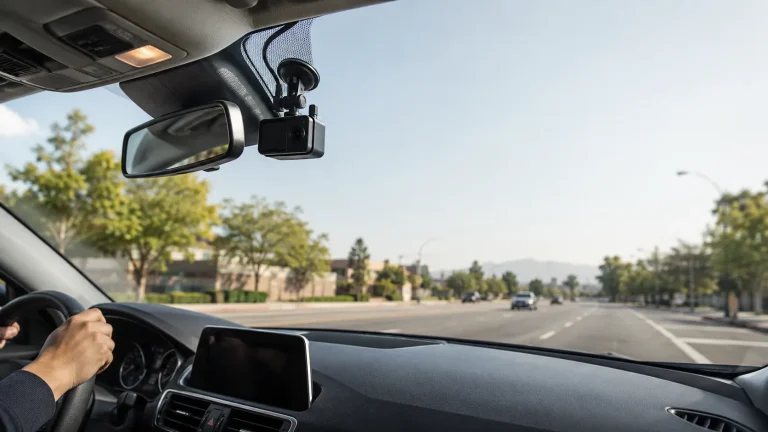
Mount the camera outside your direct sight line. Check the bracket after hot weather, cold weather, and rough roads.
Memory Cards Cause Many Problems
A low-cost dashcam may appear faulty when the real problem is an unsuitable or worn memory card.
Dashcams write video over and over. Garmin recommends cards designed for dashcam use because they are built for continuous read-write cycles, vehicle temperatures, and vibration. Check the Garmin memory-card guidance.
Follow the exact camera maker’s capacity and speed requirements. A random card that fits the slot may still cause freezing, missing files, or recording errors.
Cheap Parking Mode Needs Care
Some inexpensive cameras advertise parking mode, but the power setup matters. A camera cannot record for long after shutdown unless it receives suitable power.
Parking mode may require a hardwire kit, an external dashcam battery, or a compatible always-on outlet. Better systems may include low-voltage protection that shuts the camera down before the vehicle battery drops too far.
BlackVue’s official hardwire guidance notes that some systems support low-voltage cutoff for battery protection. Review the parking-mode power guidance and compare it with the exact camera you are considering.
How to Test a Cheap Dashcam
Test the camera before trusting it on an important trip. A short check can reveal more than the feature list.
Match the maker’s card type, speed, and capacity requirements.
Check road detail, focus, vibration, color, and exposure.
Check glare, motion blur, signs, headlights, and nearby plates.
Confirm that recording starts again without manual help.
Confirm loop recording continues and old ordinary clips overwrite correctly.
Make sure the important file plays on your phone or computer.
Hidden Costs to Check
A cheap camera may need extra items before it works the way you expect.
| Possible Extra | Why You May Need It | Check Before Buying |
|---|---|---|
| Memory card | Required for recording | Type and capacity |
| Hardwire kit | Parking mode power | Battery protection |
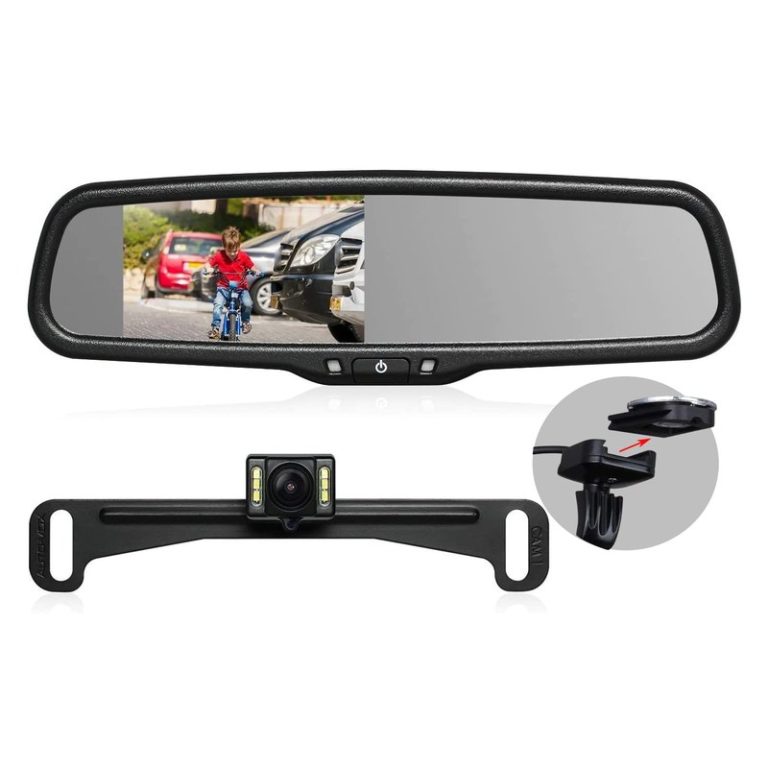
| Rear camera | Back-road coverage | Included or optional |
| Replacement mount | Weak original bracket | Parts availability |
| App or cloud plan | Extra access features | Recurring terms |
| Professional install | Safe cable routing | Vehicle complexity |
A more expensive camera may include some of these items. Compare the full setup rather than the camera price alone.
Who Can Use a Cheap Dashcam?
A cheap dashcam may be enough for:
- Basic daytime commuting
- A second or older vehicle
- Drivers with a limited budget
- Simple front-road recording
- Owners willing to test the camera often
Consider spending more when you need:
- Reliable night detail
- Front-and-rear recording
- Rideshare cabin coverage
- Strong parking mode
- Better heat tolerance
- Stable app and Wi-Fi use
- Longer warranty or firmware support
Our safety gear guide covers more equipment for everyday and emergency driving. For cable tools and basic installation gear, see our tools and garage gear.
Pros and Cons
- Low entry cost
- Basic daytime evidence
- Simple loop recording
- Useful for a second vehicle
- Better than no camera when reliable
- Weak night detail
- Inconsistent plate capture
- Lower-quality mounts
- Possible app problems
- Limited support or parking features
Budget Dashcam Buying Checklist
- Watch real daytime and nighttime sample footage.
- Check the supported memory-card type and capacity.
- Confirm loop recording and file protection.
- Review the operating-temperature range.
- Check mount stability and replacement parts.
- Confirm parking-mode power requirements.
- Read the warranty and return policy.
- Check whether the app is required.
- Look for recent firmware and support pages.
- Plan a safe cable route before installation.
- Best for: Basic daytime recording, second vehicles, and drivers with a limited budget.
- Think twice if: You need dependable night detail, strong parking mode, front-and-rear coverage, or long-term support.
- Next step: Test the exact camera with the correct memory card before relying on it for important evidence.
Frequently Asked Questions
Yes, some cheap dashcams can provide useful basic footage, especially in daylight and at close range. However, weak night video, motion blur, poor audio, or unreliable storage may reduce the value of the recording. Test the camera before depending on it.
Sometimes, but not consistently. Plate detail depends on distance, speed, angle, light, focus, bitrate, and windshield condition. A budget camera may capture a nearby plate in daylight yet miss the same plate at night or during fast motion.
1080p can be enough for basic road recording when the sensor, lens, bitrate, and exposure are reasonable. The resolution label alone does not prove quality. Compare real sample footage from the exact model in daylight and at night.
They can, especially when build quality and heat management are weak. Any dashcam can face high windshield temperatures. Check the operating-temperature range, avoid leaving a removable camera in extreme heat, and stop using a unit that swells, smells unusual, or shuts down often.
Use the card type, speed rating, and capacity listed by the camera maker. A high-endurance microSD card is a practical choice for continuous loop recording. An incompatible or worn card may cause freezing, missing files, or recording errors.
Some can, but parking mode may require a hardwire kit, an external battery, or a compatible power cable. Check whether the camera offers battery protection or low-voltage cutoff. A simple always-on cable may drain the vehicle battery.
Spend more when you need dependable night footage, front-and-rear coverage, strong heat tolerance, better parking mode, reliable app support, a longer warranty, or easier access to saved clips. Frequent highway, rideshare, and overnight drivers often benefit most.
Conclusion
Cheap dashcams can work for basic road recording, especially in daylight. Their biggest weakness is not always image sharpness. It is whether they record every trip, handle heat, save files correctly, and keep working over time.
For owners, the hidden costs may include a better memory card, a hardwire kit, or a replacement mount. For drivers, safe placement and distraction-free use matter more than extra features.
Buy the lowest-cost camera that passes your video, storage, restart, and loop-recording tests. Spend more when night detail, parking protection, rear coverage, or long-term reliability matters.