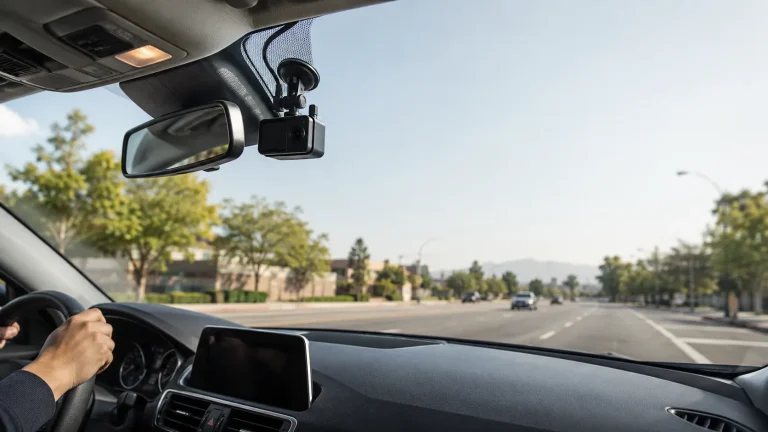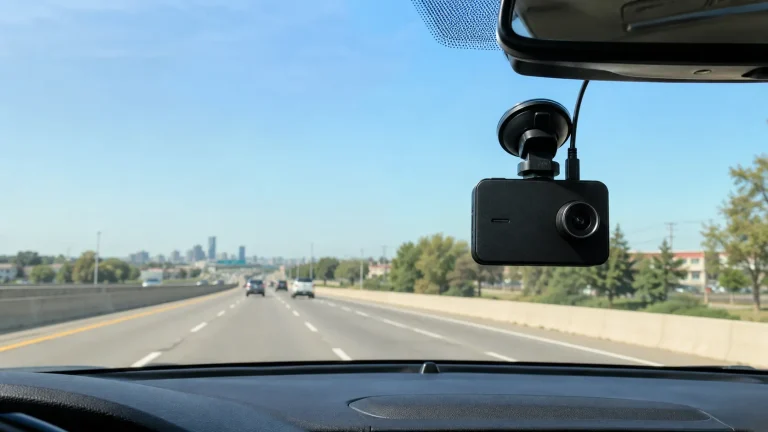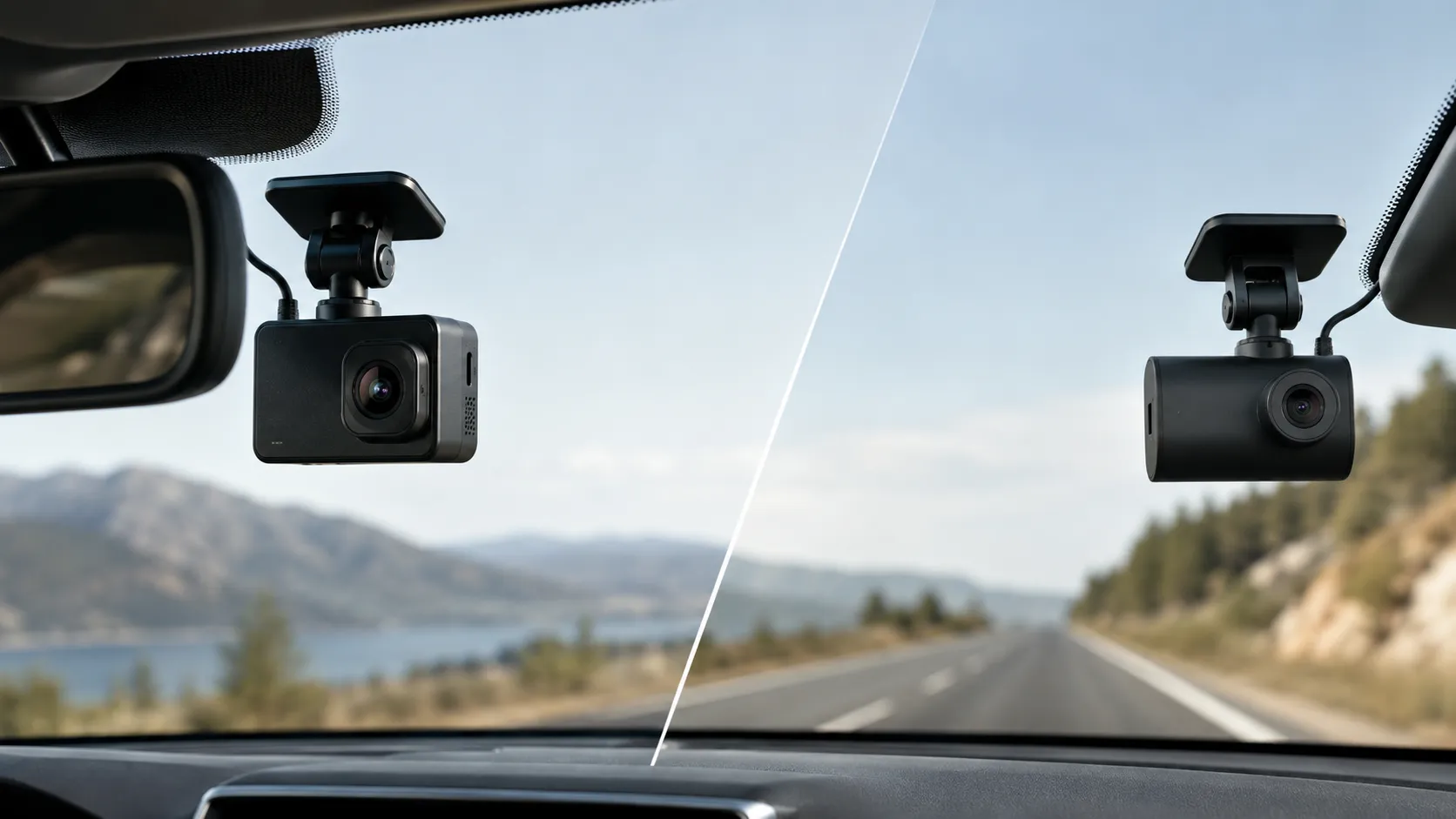
Does Car Insurance Go Down If You Have a Dash Cam?

Does car insurance go down if you have a dash cam? Usually not on a standard U.S. personal auto policy. Progressive says it offers no dashcam discount. The camera may still help with claim evidence, while separate telematics programs may reward measured driving habits.
A dash cam is useful for recording crashes, road events, and possible vandalism. However, it normally will not lower your premium by itself. Its main insurance value is evidence. Drivers seeking a direct discount should ask about telematics, safe-driver, low-mileage, bundling, and vehicle-safety discounts.
For most U.S. car owners, buying a dash cam should be a safety and evidence decision. It should not be based on the promise of lower insurance rates.
A recording may help explain what happened after a crash. It may also reduce arguments when drivers give different accounts. Still, the insurer must review the full claim, policy, damage, statements, and available evidence.
Does a Dash Cam Give an Insurance Discount?
Usually, no. Installing your own dash cam does not normally add an automatic discount to a personal auto policy.
Progressive states that it does not offer a dashcam discount. It also says insurance companies generally do not offer a discount for owning one. You can review its dashcam and insurance guidance.
That does not mean every insurer, state, or policy works the same way. Insurance products change. A company may also test a special program in a limited market.
Ask your insurer before buying a camera for a promised discount. Get the answer in writing when possible. Confirm whether the offer applies to personal vehicles, commercial vehicles, or a monitored driving program.
Why a Dash Cam Usually Does Not Change Your Rate
Insurance companies set premiums from many risk factors. A camera on the windshield does not directly change most of those factors.
The National Association of Insurance Commissioners explains that insurers may consider your location, driving record, claims history, vehicle, mileage, coverage, and deductibles. Some insurers may also use credit information where state law allows it.
Review the NAIC auto insurance overview for a broader explanation of underwriting and rating.
| Rate Factor | Can Affect Premium? | Dash Cam’s Role |
|---|---|---|
| Driving record | Yes | Does not remove violations |
| Claims history | Yes | May provide claim evidence |
| Vehicle type | Yes | Does not change repair cost |
| Annual mileage | Yes | Does not measure mileage alone |
| Coverage and deductible | Yes | Does not change policy choices |
| Driving behavior data | Sometimes | Needs an approved program |
How Dashcam Footage May Help a Claim
The strongest insurance benefit is possible claim evidence. A clear recording may show how a crash started and which vehicles were involved.
Allstate lists dashcam footage, when available, among the information a customer may provide when filing an auto claim. Its auto claims guidance also lists photos, vehicle information, the crash location, and police-report details.
Footage may be especially useful when:
- Drivers disagree about the traffic signal.
- Another vehicle changes lanes into your path.
- A driver leaves the crash scene.
- A parked vehicle is hit while the camera records.
- Someone gives a false account of the event.
- A road hazard or falling object causes damage.
However, footage does not guarantee a claim decision in your favor. A short clip may miss earlier events. The view may be blocked. The date may be wrong. The video may also show that you made a mistake.
Dash Cam vs. Telematics Insurance
A normal dash cam and an insurance telematics program are not the same thing.
A dash cam mainly records video. Telematics measures driving data for an insurer. Depending on the program, it may track mileage, speed, braking, acceleration, trip times, or phone use.
Progressive explains that usage-based insurance may use an app or plug-in device to personalize a rate from driving habits. Read its telematics insurance explanation.
| Feature | Personal Dash Cam | Telematics Program |
|---|---|---|
| Main purpose | Records video | Measures driving habits |
| Direct discount | Usually no | May be available |
| Claim evidence | May provide video | May provide driving data |
| Insurer enrollment | Usually not required | Required |
| Privacy concern | Video and audio | Behavior and trip data |
| Rate effect | Usually none by itself | Depends on results |
Can Footage Stop Your Rate From Going Up?
It might help establish facts, but it cannot promise a lower renewal price. Your rate can change for many reasons beyond one crash.
Useful footage may help an insurer decide that another driver caused the loss. That could matter during the claim review. However, state rules and company practices differ on how not-at-fault crashes affect premiums.
Your price may also change because of:
- Claims and repair costs in your area
- Vehicle parts and labor costs
- Your driving or claims record
- Changes in annual mileage
- Coverage or deductible changes
- Household drivers added to the policy
- Company-wide rate changes
Do not describe a dash cam as a device that protects your insurance rate. A better claim is that it may give the insurer more evidence to review.
How to Use Dashcam Footage After a Crash
Protect the original recording as soon as it is safe. Many cameras overwrite old files when the memory card becomes full.
- Make sure everyone is safe. Call emergency services when the situation requires it.
- Report the crash. Follow your insurer’s claim-reporting instructions.
- Save the original file. Lock the clip or copy it without editing it.
- Keep related footage. Save the minutes before and after the event.
- Check the date and time. Note any incorrect camera setting.
- Tell the insurer footage exists. Ask how it wants the file submitted.
- Keep a backup. Store an unchanged copy in a secure place.
Do not post the recording online before the claim is reviewed. Public comments or edited clips may create confusion. They may also expose faces, voices, license plates, or private locations.
Discounts More Likely to Lower Your Premium
A dash cam may not earn a discount, but other choices may. Availability depends on the insurer and state.
Ask about these common options:
- Usage-based or telematics programs
- Low-mileage discounts
- Safe-driver discounts
- Defensive-driving course discounts
- Multi-car discounts
- Home and auto bundling
- Good-student discounts
- Approved anti-theft equipment
- Factory vehicle-safety features
Compare the privacy trade-off before joining telematics. A discount may require an app or device to collect driving data. The exact measurements and rate impact depend on the program.
For more information about cameras, mounts, and related devices, visit our car electronics guide. Our safety gear guide also covers practical equipment for roadside events.
Questions to Ask Your Insurance Company
- Do you offer a personal auto dashcam discount?
- Does the camera need approval or registration?
- Is the offer limited to a telematics program?
- Can driving data raise or only lower my rate?
- Which video formats can I submit with a claim?
- How should I preserve an original recording?
- Does adding the camera affect accessory coverage?
- Which other discounts are available on my policy?
Record the representative’s name and the date you asked. Review your declarations page after any promised discount is added.
Dashcam Insurance Pros and Cons
- May provide useful crash evidence
- Can record hit-and-run details
- May support a disputed claim
- Can preserve the order of events
- Usually gives no direct discount
- Footage may show your mistake
- Video can be lost or overwritten
- Recording creates privacy concerns
Who Benefits Most From a Dash Cam?
A dash cam can make sense for drivers who spend many hours on the road. This includes commuters, rideshare drivers, delivery drivers, and families taking long trips.
It may also help owners who park on busy streets or often drive through heavy traffic. Parking recording depends on the camera, power setup, storage, and settings.
You may not need one if you rarely drive and do not want another device to maintain. It may also be a poor choice if local recording rules, workplace rules, or privacy needs make its use difficult.
- Best for: Drivers who want added evidence after crashes, road events, or parking damage.
- Think twice if: You are buying only because a seller promised lower insurance premiums.
- Next step: Ask your insurer about a dashcam discount, then compare telematics and other verified savings programs.
Frequently Asked Questions
Most U.S. personal auto insurers do not offer a standard discount just for owning a dash cam. Programs and state rules can change, so ask your insurer about your exact policy. Do not rely on a retailer’s promise that installing a camera will lower your premium.
Yes, clear footage may help show how a crash or damage happened. It can support other evidence, such as photos, statements, and a police report. The insurer will still review the full event, policy terms, and all available information before deciding the claim.
A dash cam may provide strong evidence, but it does not decide fault by itself. The recording may have a limited view or miss earlier actions. Insurers, police, attorneys, or courts may review the footage with other facts before reaching a decision.
No. A normal dash cam mainly records video. An insurance telematics device or app collects approved driving data, such as mileage, braking, speed, or trip time. A telematics program may affect your premium, while a personal dash cam usually does not.
Yes. The footage may show speeding, distraction, unsafe following distance, or another mistake. Preserve the complete original recording instead of editing selected parts. Give accurate information to your insurer and ask how it wants the video submitted.
You can ask whether the camera qualifies for any discount or needs to be listed as added equipment. Requirements vary by policy. You should also tell the claims representative when relevant footage exists after a crash or covered event.
Ask about safe-driver, low-mileage, telematics, defensive-driving, multi-car, bundling, good-student, anti-theft, and vehicle-safety discounts. Not every company or state offers each option. Confirm the eligibility rules and check that approved savings appear on your policy.
Conclusion
Car insurance usually does not go down just because you have a dash cam. The main owner benefit is possible claim evidence, not a guaranteed premium reduction.
For drivers, a clear recording may help explain a disputed crash or road event. However, footage can be incomplete and may also show your own actions.
Ask your insurer about current discounts before buying. Compare telematics and other savings programs, review privacy terms, install the camera safely, and maintain the recording system.