Are Dual Dash Cams Worth It? Benefits, Features, And Buying Advice

A dual dash cam records the road ahead and the area behind your vehicle. I find this extra view useful because rear-end crashes, hit-and-runs, and disputed lane changes can happen outside a front camera’s range.
A dual dash cam is worth the cost if you drive often, park in busy areas, use your car for work, or want stronger video evidence after a crash. It may not provide enough value for occasional drivers who rarely face traffic risks.
I’ll cover how these systems work, which features affect their value, and what you should consider before buying one.
Key Takeaways
- Dual cameras provide front and rear coverage.
- Clear video can support your account of an incident.
- Your driving habits should guide your choice.
How Dual Dash Cameras Work
I use a dual dash camera to record the road ahead and the area behind my vehicle. The system saves both views together, while recording modes and storage settings determine when footage is captured and how long it remains available.
Front And Rear Camera Coverage
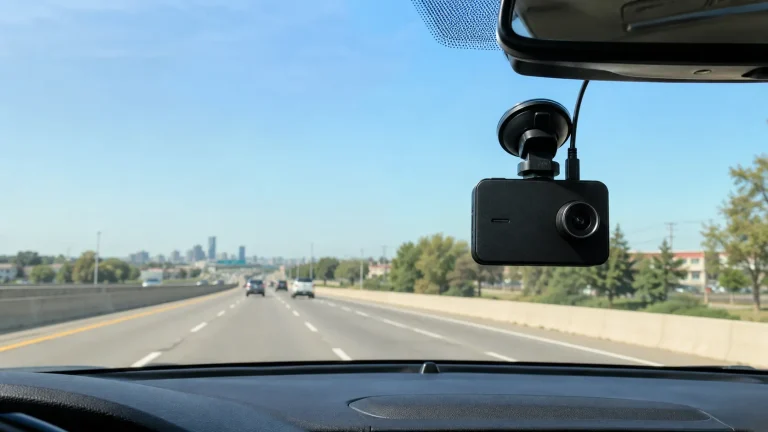
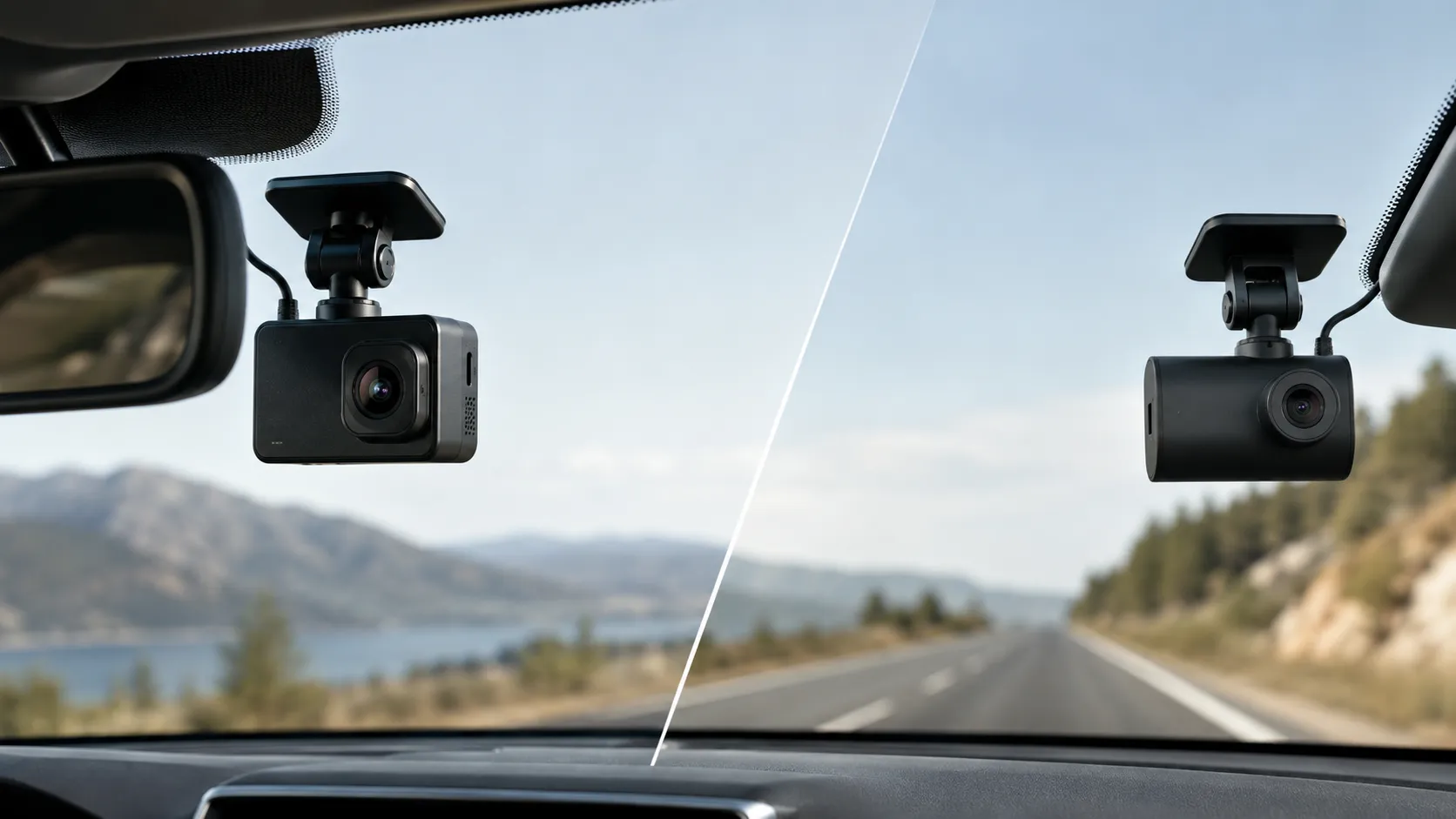
A dual dash cam uses two camera units connected to one recording system. The front camera usually mounts near the rearview mirror and records traffic, road signs, lane markings, and collisions ahead. The rear camera mounts on the back window or near the license plate, depending on the model.
Both cameras usually record at the same time. A front camera often records at a higher resolution, such as 1440p or 4K, while the rear camera may use 1080p. I check the viewing angles because a wide lens can cover more lanes but may make distant plates look smaller.
The rear camera needs a cable routed through the vehicle. I also confirm that the camera works with tinted windows and provides a clear image at night. Front and rear footage can help show what happened during a crash, sudden stop, or impact from behind.
Recording Modes And Storage Options
Most dual dash cams use loop recording. When the memory card fills, the camera overwrites the oldest unlocked clips. A 64GB or 128GB high-endurance microSD card often provides useful recording time, but the exact amount depends on resolution, frame rate, and whether both cameras record continuously.
An impact sensor can lock footage when it detects a collision. I can also press an emergency button to protect a clip from being overwritten. Some models include parking mode, which records motion or impacts while my vehicle is parked. This feature often requires a hardwiring kit or an external battery pack.
I look for a camera that supports high-endurance cards and has simple file access through a phone app, computer, or removable card. Wi-Fi can speed up downloads, but it does not always provide remote viewing.
Key Safety And Evidence Benefits
I see the main value of a dual dash cam in its ability to record both the road ahead and events behind the vehicle. This added coverage can clarify collisions, reveal rear-end risks, and give insurers time-stamped video to review.
Documenting Collisions And Incidents
I can use front and rear footage to show how a crash happened from two angles. The front camera may capture traffic signals, lane positions, and the vehicle ahead, while the rear camera can show a following driver’s actions or a second impact.
Clear video can also document incidents such as sudden lane changes, hit-and-runs, and damage in a parking area. A high-resolution camera gives me a better chance of capturing license plates and road signs, though image quality depends on lighting, weather, camera placement, and motion.
I should save important clips as soon as possible. Many cameras overwrite older files when the memory card fills, while impact detection may lock footage automatically. I should still check the files and back them up rather than rely only on the camera’s emergency setting.
Monitoring Rear-End Risks
A rear camera gives me visibility into events I cannot see easily through the windshield or mirrors. It can record a driver following too closely, approaching quickly in traffic, or striking my vehicle from behind.
This coverage matters because rear-end crashes often happen with little warning. The footage may show whether I was stopped, moving, or pushed into another vehicle after an impact. It can also capture damage caused while my car sits unattended, especially when the camera supports parking mode.
Parking mode usually requires a hardwire kit or another constant power source. I should confirm that the system includes low-voltage protection so it does not drain my car battery. Local laws may also limit recording around people or private property.
Supporting Insurance Claims
I can provide front and rear clips to help an insurer assess fault, timing, and damage. Video may support details in my written statement, such as the traffic light position, the other driver’s movement, or the sequence of multiple impacts.
I should keep the original files and avoid editing them. File dates, GPS data, and speed information can help establish when and where an event occurred, but I should verify that these features work correctly before relying on them.
A dash cam does not guarantee claim approval or prevent higher premiums. I should report the incident promptly, follow my insurer’s instructions, and share only relevant footage that clearly relates to the event.
Costs And Practical Trade-Offs
A dual dash cam costs more and takes longer to install than a front-only model. I also need to plan for memory cards, power use, video storage, and possible maintenance.
Purchase And Installation Expenses
A reliable dual camera usually costs more than a front-only unit because it includes two cameras, a connecting cable, and extra processing hardware. Prices vary by video quality, night performance, GPS, parking mode, and app support. I should also budget for a high-endurance microSD card, since standard cards may wear out under constant recording.
Installation can be simple if I use the included power adapter and route the rear cable along the vehicle’s trim. A professional installation costs more but creates a cleaner result and reduces the risk of loose wiring or blocked airbags. Hardwiring adds another expense, often requiring a fuse kit and low-voltage protection. It can support parking mode, but I should confirm that the installer protects the vehicle battery from excessive drain.
Maintenance And Data Management
A dual system creates twice the camera footage, so storage fills faster. I should choose a card with enough capacity for my recording needs and format it in the camera at regular intervals. The camera’s loop-recording feature normally deletes the oldest unlocked files, but I should protect important clips before they are overwritten.
I also need to check both lenses regularly. Dust, fingerprints, tinted glass, or a loose rear camera can reduce image quality. Firmware updates may improve stability, but I should back up important recordings before installing them. If I use parking mode, I need to monitor battery behavior and replace the memory card when recording errors, missing files, or frequent resets begin.
Features That Affect Overall Value
I judge a dual dash cam by how clearly it records, how well it works when the car is parked, and how easily I can access important footage. These features often matter more than extra recording modes or a lower purchase price.
Video Resolution And Night Vision
I look for at least 1440p video on the front camera and 1080p on the rear camera. Higher resolution can make license plates, road signs, and vehicle details easier to identify. A wide viewing angle also helps, but an extremely wide lens may make objects look smaller or distorted.
Night performance matters just as much as daytime detail. I prefer cameras with strong low-light processing, a high-quality image sensor, and balanced exposure. Infrared lights may help an interior camera, but they do not automatically improve an outward-facing rear camera.
A dual camera records both directions, but the rear image may lose quality through a long cable or a dark rear window. I also check whether the system records both channels at the same time and stores the files reliably on a high-endurance microSD card.
Parking Mode And Impact Detection
Parking mode can record when my car is unattended, but it usually needs a hardwire kit or another constant power source. A standard 12-volt socket may stop supplying power when I turn off the ignition.
I look for three parking features: motion recording, impact-triggered recording, and time-lapse recording. Impact detection should save footage before and after an event, not only the moment of contact. Motion detection can capture a person or vehicle near the car, but it may create many unnecessary files in busy areas.
A hardwire kit should include low-voltage protection. This feature stops the camera from draining the car battery. I also check whether parking mode works with both front and rear cameras, since some systems limit rear recording while parked.
GPS, Wi-Fi, And App Connectivity
GPS can record the vehicle’s location and speed with each video file. I find this useful when I need to review where an event happened, but I treat speed data as supporting information rather than proof by itself.
Wi-Fi lets me transfer clips to my phone without removing the memory card. A good app should connect quickly, show front and rear footage clearly, and let me download the original file. Poor apps may disconnect often or compress videos during transfer.
I also check privacy settings before using cloud services. Some cameras upload clips through a phone connection or separate subscription, while others keep recordings on the memory card. I prefer a system that still provides full local access if the app or service becomes unavailable.
Who Benefits Most From Two-Channel Recording
I find two-channel recording most useful for drivers who need evidence from both directions. It adds the most value when rear-end crashes, tailgating, parking damage, or frequent passenger trips create risks that a front camera cannot document.
Daily Commuters
I recommend a dual dash cam to commuters who spend significant time in traffic, especially on busy roads and highways. A front camera records lane changes, sudden stops, and traffic signals, while the rear camera can capture a following driver who hits your vehicle or drives aggressively behind you.
Rear footage also helps when another driver disputes how a collision happened. It may show the distance between vehicles, the approach before impact, and whether the other car changed lanes or followed too closely. This evidence can support an insurance claim, although I would still check local recording and privacy laws.
Two cameras also help protect vehicles during short stops. If the system supports parking mode and receives constant power, it may record an impact while the car remains parked. I would choose a model with a reliable rear camera cable and good night performance.
Rideshare And Fleet Drivers
I see strong value in two-channel recording for rideshare and fleet drivers because they spend more time on the road than most private drivers. The front camera documents traffic events, while the rear camera records incidents involving vehicles behind the car.
For rideshare work, a two-channel system may not show the entire cabin. Drivers who need passenger-area coverage should compare it with a three-channel model that includes an interior camera. I would also review company rules and local consent laws before recording passengers.
Fleet operators can use footage to investigate crashes, unsafe following distances, and loading-area incidents. A camera with time stamps, GPS, secure storage, and automatic file protection makes footage easier to organize. I would select a system that can handle long shifts without overheating or filling its memory card quickly.
Owners Of Frequently Parked Vehicles
I find two-channel recording useful for owners who leave their cars in public lots, apartment spaces, or busy streets. A rear camera can record a vehicle that backs into the car or scrapes its rear bumper, while the front camera covers damage from the opposite direction.
Parking mode usually requires a hardwire kit or another constant power source. I would choose a kit with low-voltage protection so it does not drain the battery. Motion detection and impact recording can save storage, but they may miss events outside the camera’s view.
Before installation, I would check the rear window angle, tint, and available cable path. A clean installation keeps the camera secure and reduces blocked visibility. I would also confirm that local rules allow recording in the parking area.
Choosing The Right Setup
I weigh installation effort, power needs, video quality, and support before choosing a dual dash cam. A clean setup should record both directions reliably without creating distractions or adding difficult maintenance.
Wired Versus Wireless Installation
I usually recommend a wired rear camera for a permanent installation. The cable runs from the front camera through the vehicle’s headliner and trim, then connects to the rear unit. This setup provides a steady connection and avoids wireless signal problems, but installation takes more time. I keep cables away from airbags and moving parts.
A wireless rear camera may simplify installation, but it still needs power. Some models use a separate battery or transmit video to the front camera. Walls, metal panels, distance, and interference can reduce connection quality. I check the camera’s tested range and whether it records at full resolution when the connection weakens.
For parking mode, I choose a hardwire kit with low-voltage protection. It lets the camera use the car’s battery while parked and cuts power before the battery drains too far. I also confirm that the kit fits my vehicle and camera.
Selecting Reliable Brands And Warranties
I compare brands by reviewing sample footage, firmware support, app quality, and customer service rather than relying only on resolution claims. A camera should capture readable plates in daylight and preserve useful detail at night. I also check whether both cameras record continuously and whether the rear camera loses quality when the front camera uses its highest setting.
A reliable warranty matters because heat, vibration, and constant recording can stress the hardware. I look for at least a one-year warranty, clear return terms, and a company that provides firmware updates. I prefer brands that sell replacement mounts, power cables, and rear-camera cables.
Before buying, I check the recommended microSD card type and capacity. Many cameras require high-endurance cards. Using the wrong card can cause recording gaps, corrupted files, or repeated errors.
Frequently asked questions
Do dual dash cams record the front and rear views?
Yes. Most dual systems use one camera for the road ahead and a second camera for the area behind your car. Some models use the second camera to record the cabin instead.
Are dual dash cams worth the extra cost?
I consider one worthwhile if I drive often, park on busy streets, share my car, or want evidence from more than one angle. A front-only camera costs less, but it cannot show what happened behind me.
What video quality should I choose?
I recommend at least 1080p for both cameras. A higher resolution can capture more detail, but image quality also depends on lighting, lens quality, weather, and the camera’s ability to record clear license plates.
Can a dual dash cam record while my car is parked?
Many can, but parking mode usually needs a hardwire kit or another constant power source. I would check whether the system includes impact detection, motion detection, and low-voltage protection before using this feature.
Do I need a memory card?
Yes, most dash cams save video to a microSD card. I use a high-endurance card with enough storage for continuous recording, then replace it when the manufacturer recommends.
Are dual dash cams legal?
Rules differ by location. I check local laws about windshield placement, audio recording, privacy, and blocking the driver’s view before installing one.
Conclusion
I find dual dash cams worth the cost for drivers who want coverage at both ends of the car. The rear camera can provide useful evidence after rear-end crashes, parking incidents, and disputes about what happened.
I would especially consider one if I drive often, park on busy streets, or work as a rideshare driver. A single front camera may meet the needs of drivers who use their cars less, park in secure areas, and want to keep costs low.
Before buying, I would check these features:
- At least 1080p video from both cameras
- A wide viewing angle, ideally around 140 degrees or more
- Clear night recording
- Reliable storage and loop recording
- Parking mode, if I need protection while the car is parked
- A simple installation that does not block my view
A dual system costs more and takes longer to install than a front-only model. It also needs space for video files and may require professional wiring for parking mode.
I would choose a dual dash cam when the added rear coverage matches my driving risks and budget. Otherwise, a good front-facing camera can provide useful protection without the extra cost and installation work.