Is Rear View Mirror Camera Worth It? Key Benefits and Considerations

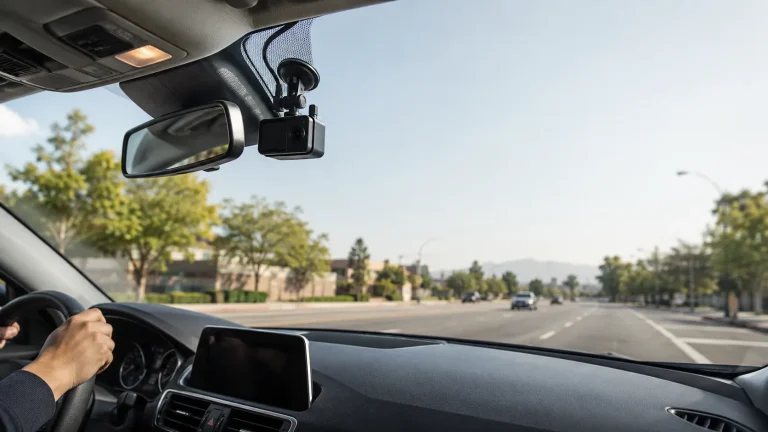
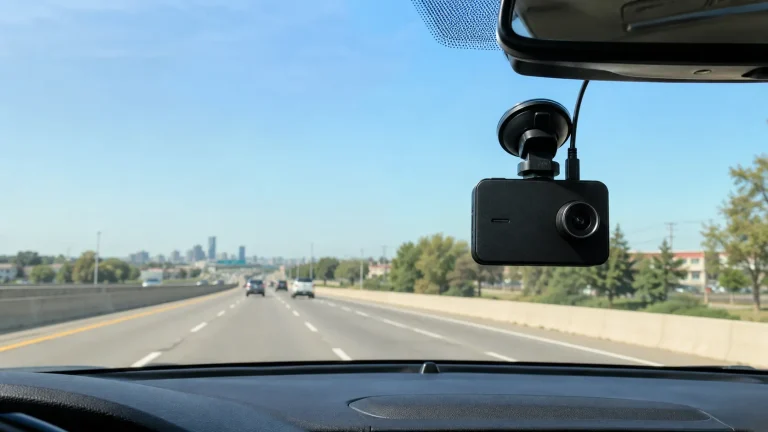
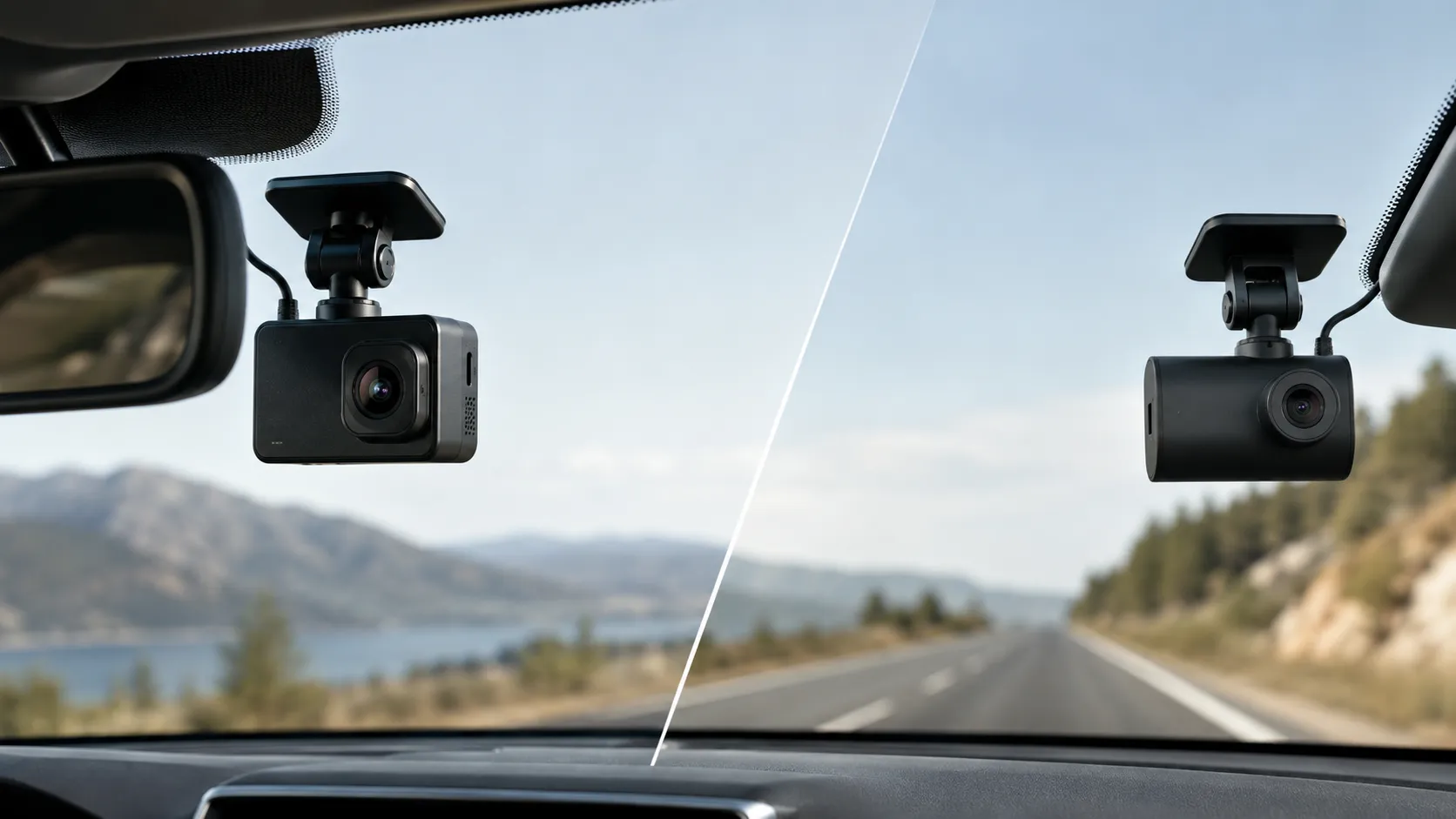
A rear view mirror camera can improve visibility, record traffic, and make reversing easier. It replaces or clips over your existing mirror and uses a screen to show a wider view behind your vehicle, often with a separate rear camera.
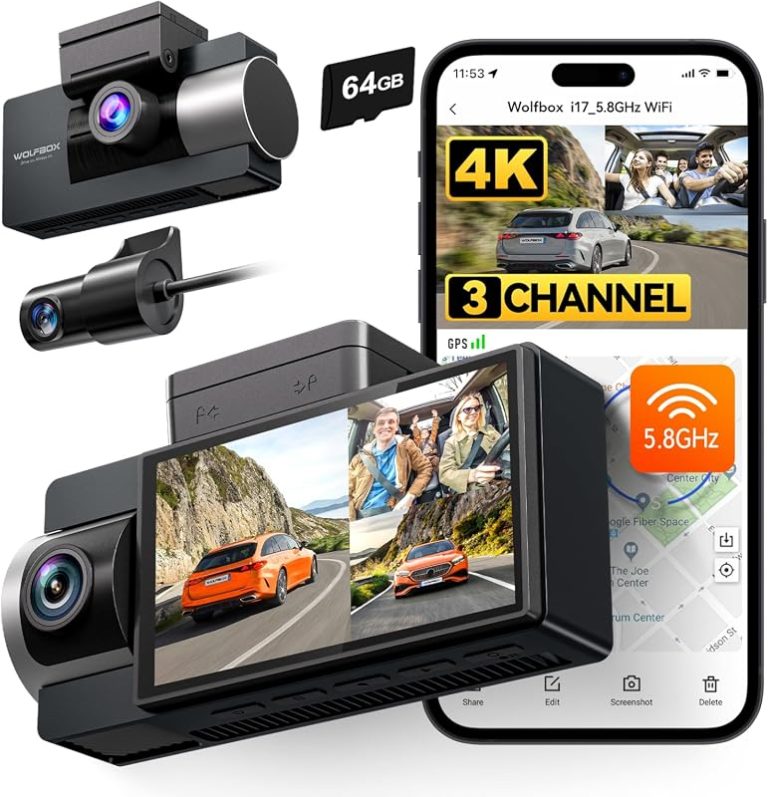
A rear view mirror camera is worth it if you need better rear visibility, added recording, or backup assistance, but it may not suit every vehicle or budget. Features such as 4K front video, 1080p rear video, night vision, parking mode, and driver alerts can add value, while installation, screen glare, and camera placement may affect your experience.
Key Takeaways
- A mirror camera can improve visibility and provide driving footage.
- You should check compatibility, installation needs, and useful features.
- Traditional mirrors and separate dash cams may offer simpler alternatives.
How Rear View Mirror Cameras Work
A rear view mirror camera uses a rear-facing camera to send live video to a screen mounted in or over your mirror. You can choose between a display-only mode and a traditional reflective mirror, depending on lighting, privacy, and your driving conditions.
Camera Placement And Display Options
You usually mount the camera near the rear license plate, on the rear window, or inside the vehicle. An exterior camera often gives you a wider, less obstructed view, while an interior camera may stay cleaner and offer simpler installation. Check the camera’s viewing angle, weather resistance, and image quality before buying.
The screen may replace your factory mirror or attach over it. Many models let you switch between the camera image and the regular reflective surface. This helps when glare, a dirty lens, or a screen fault affects the video.
A camera view can show more of the road than a standard mirror, especially when passengers, headrests, or cargo block your view. However, the display may make distant vehicles look different from what you expect. Adjust its brightness, angle, and focus while parked.
When The Image Appears
Most systems show a live rear view as soon as you turn on the vehicle. Some models activate the display when they receive power, while others use a switch on the mirror or a connected control button. The camera normally continues showing the rear scene while you drive forward.
Selecting reverse can change the display to a lower, closer view if the system connects to your vehicle’s reverse signal. Parking guidelines may appear on the screen, but they do not replace direct observation or proper mirror checks.
The image can become darker at night or less clear in rain, snow, dirt, or glare. Clean the lens regularly, and confirm that the camera cable and power connection stay secure. Camera lag, a frozen image, or a blank screen requires immediate attention before you rely on the system.
Key Safety Benefits
A rear view mirror camera can give you a wider, clearer view behind your vehicle than a standard mirror. It can also reduce blind areas and help you see obstacles, vehicles, and people in dim conditions.
Expanded Rearward Visibility
A camera-based mirror can show more of the road behind you than a traditional mirror. Its view often remains useful when passengers, cargo, or a tall rear seat blocks the window. This feature can help you monitor vehicles that approach from behind and judge traffic before changing lanes.
Many systems let you adjust the camera angle or switch between the camera image and the regular mirror. The camera view may also provide a wider perspective, but it can make vehicles appear farther away than they are. You should check the distance with your side mirrors and allow extra space before moving into another lane.
A camera does not replace shoulder checks. You still need to inspect your blind spot, use your turn signal, and keep your attention on traffic ahead.
Reduced Blind Spots
A rear view mirror camera can reduce areas that your standard mirror cannot show. This benefit matters when your vehicle has a high rear window, a covered cargo area, or seats that block part of the view. The wider image can help you spot motorcycles, bicycles, and smaller vehicles sooner.
The system works best when you install the camera at the recommended height and keep its lens clean. Dirt, rain, snow, or glare can hide important details. You should also adjust the display so it does not distract you from the road.
A camera reduces blind spots but does not remove them. Check your side mirrors and look over your shoulder before changing lanes, merging, or reversing.
Low-Light Visibility
Many rear view mirror cameras provide a clearer image at night than a dark rear window. Their sensors can capture vehicles, pedestrians, and other objects when street lighting is limited. Some models use infrared assistance or automatic brightness control to improve the image in low-light areas.
Performance varies by camera quality, weather, and available lighting. Headlights, wet roads, fog, and strong glare can reduce detail or create bright spots on the display. A camera may also show a delayed or less natural image compared with a direct view.
You should treat night vision as an aid, not proof that the path is clear. Clean the lens, reduce display brightness when needed, and use your headlights and normal mirrors together.
Potential Drawbacks
A rear-view mirror camera can improve visibility, but it also introduces limits that traditional mirrors do not have. You may face altered depth judgment, blocked camera views in poor weather, and distractions from a bright or poorly placed display.
Depth Perception And Image Distortion
A camera screen shows a flat image, so objects may not appear at their true distance. A vehicle behind you can look farther away than it is, especially when the screen uses a wide-angle lens. You may need extra time to judge whether it is safe to change lanes or merge.
Image processing can also change how objects look. Wide-angle views may bend lines near the edges, while digital zoom can make vehicles appear larger without giving you more detail. Some systems add a short delay between the camera view and the live scene, which matters when traffic moves quickly.
You should keep your side mirrors adjusted and check them before changing lanes. During your first few drives, use both the screen and traditional mirrors until you learn how the camera presents distance and speed.
Weather And Lens Obstruction
Rain, snow, mud, dust, or road spray can cover the exterior camera lens. Water droplets may blur lights and reduce contrast, while ice or packed snow can block the view completely. A dirty lens can make the screen look clear enough to trust even when important details remain hidden.
Some cameras include a small heater, washer, or protective cover, but these features do not remove the need for cleaning. You should inspect the lens before driving and clean it with a soft, suitable cloth. Avoid scraping ice directly across the camera if the cover could scratch.
Low light creates another limit. Headlight glare, dark roads, and poorly lit parking areas can reduce detail. Check whether the system offers automatic brightness control or a night-vision mode before you buy it.
Driver Distraction Risks
A digital mirror can draw your attention away from the road more than a standard mirror. Brightness changes, warning icons, recording lights, or a wide field of view may compete for your focus. Touch controls and menus create an added distraction if you adjust them while driving.
The display may also make you focus on a screen instead of scanning naturally through the windshield and side mirrors. This can slow your response when traffic changes. You should set the camera angle, brightness, and display mode before moving.
Choose a system with simple controls and a stable image. Avoid models that require frequent adjustments, show unnecessary notifications, or place a large screen directly in your line of sight.
Who Benefits Most
A rear view mirror camera helps most when your normal mirror cannot show enough of the road behind you. Your driving setting, rear visibility, and need for recorded video should guide the decision.
Frequent City Drivers
You may benefit from a rear view mirror camera if you drive through crowded streets, narrow lanes, or busy parking areas. A wide rear camera view can help you spot cars, cyclists, pedestrians, and nearby objects that standard mirrors may hide.
The screen can also help when you park in tight spaces or leave a busy driveway. Some models provide parking assistance, but you should still check your mirrors and blind spots before moving.
Choose a model with clear video in low light, a wide viewing angle, and a screen that does not distract you. If you often stop in public areas, a built-in dash camera and parking recording may add useful protection, but these features can raise the price.
Drivers With Limited Rear Visibility
A camera mirror can help if passengers, cargo, or a vehicle design blocks your rear window. This includes drivers of vans, SUVs, pickup trucks with covered beds, and vehicles that carry bulky equipment.
The rear camera sits outside the vehicle, so it can show traffic even when the cabin looks full. It may also provide a wider view than a traditional mirror. However, the camera lens can collect dirt, rain, snow, or road spray. You must keep it clean for a reliable image.
Look for automatic brightness adjustment, a high-resolution display, and a camera with weather protection. Keep your side mirrors properly adjusted because the camera does not remove every blind spot.
Families And Fleet Vehicles
Families may value a camera mirror when children, luggage, strollers, or sports gear block the rear window. You can switch between the camera view and the reflective mirror on many models, which helps when the screen feels unfamiliar or becomes hard to see.
Fleet operators can also benefit from recorded footage, especially when several people use the same vehicle. Video may help review incidents, but local laws can control recording, storage, and audio capture.
Before buying, check installation requirements and warranty coverage. A professional installation may make sense for vehicles used every day, while a basic plug-in model may suit occasional family use.
Cost, Installation, And Compatibility
Your total cost depends on whether you choose a factory system or an aftermarket mirror camera. You also need to account for wiring, vehicle compatibility, professional labor, and future maintenance.
Aftermarket Versus Factory Systems
Aftermarket mirror cameras usually cost less than factory replacements and work with more vehicles. Many include a front camera, rear camera, display, mounting straps, and wiring. Prices vary by video quality, screen size, night vision, parking guides, and recording features.
Factory systems often provide better integration with your vehicle’s wiring, trim, and infotainment system. However, they can cost more, especially if your car needs a new mirror assembly, control module, or software setup. Check whether the camera supports your vehicle’s power system and whether the mirror fits its existing mount.
Before buying, confirm:
- Camera and display voltage
- Mirror size and mounting style
- Rear camera mounting options
- Cable length for your vehicle
- Compatibility with tinted glass or hatch doors
Professional Installation Considerations
Professional installation can prevent loose wiring, water leaks, and damage to interior panels. The installer usually routes the rear camera cable through the headliner, pillars, and hatch or trunk area. They may connect the system to reverse lights, constant power, or an accessory circuit.
Ask for an itemized estimate before work begins. Labor costs rise when the vehicle has complex trim, an integrated tailgate, difficult cable paths, or no suitable power connection. Confirm that the installer will protect airbags in the pillars and test the camera in both daytime and nighttime conditions.
You should also ask whether installation affects your vehicle warranty. Keep the original mirror and trim parts if you may later remove the system.
Ongoing Maintenance Needs
A rear view mirror camera needs simple but regular care. Clean the camera lens with a soft, damp cloth when dust, road film, or water spots reduce image quality. Avoid abrasive cleaners that can scratch the lens cover.
Inspect exposed wiring after repairs, car washes, or trunk work. Watch for flickering video, delayed startup, distorted images, or a camera that stops working when you open the hatch. These signs may indicate a loose connection, damaged cable, or failing power source.
If the system records video, check the memory card regularly. Use a card rated for continuous recording, replace it when errors appear, and format it according to the manufacturer’s instructions. Protect the display from extreme heat when possible, since high cabin temperatures can shorten its life.
Alternatives And Complementary Features
A rear view mirror camera can improve rear visibility, but it does not replace every safety tool. Traditional mirrors, blind-spot monitoring, parking sensors, and surround-view cameras each solve different visibility problems.
Traditional Mirrors And Blind-Spot Monitoring
Your standard inside mirror gives you a natural, low-latency view and still works if a camera, display, or power supply fails. Side mirrors also help you judge distance, but you must adjust them correctly and check over your shoulder before changing lanes.
Blind-spot monitoring adds electronic support. Sensors usually detect vehicles beside or slightly behind your car and warn you with a light in the side mirror. Some systems also provide an alert if you signal while another vehicle occupies the blind spot.
This feature complements a rear view mirror camera because it monitors areas the rear camera may not cover. It cannot reliably detect every object, including bicycles, motorcycles, pedestrians, or vehicles approaching at unusual angles. Treat the warning as an extra check, not permission to skip mirror and shoulder checks.
Parking Sensors And Surround-View Cameras
Parking sensors use ultrasonic or other sensors to measure nearby obstacles. Audible tones usually become faster as you approach an object, while some systems show distance on the vehicle display. They help you judge the front and rear corners, but they may miss low, narrow, or soft objects.
A surround-view camera combines images from cameras mounted around the vehicle to create a top-down view. It can help you position the car within parking lines and spot obstacles near its sides. However, the image may distort distance, and dirt, rain, darkness, or blocked lenses can reduce accuracy.
These systems work well with a rear view mirror camera. The mirror camera supports traffic awareness behind you, while sensors and surround-view cameras assist during slow maneuvers.
Making The Right Choice
A rear view mirror camera can improve rear visibility, record incidents, and reduce blind spots. Your choice should depend on your vehicle, driving habits, installation needs, and the features you will use often.
Questions To Ask Before Buying
First, check whether the camera fits your vehicle’s mirror size and mounting style. Some models attach over the factory mirror, while others replace it. Confirm that the rear camera can mount inside the vehicle or above the license plate, and check whether the cable will reach without visible slack.
Consider how you will use the system. If you mainly want parking help, prioritize a clear rear view and parking guidelines. If you want accident evidence, choose a model with front and rear recording, loop recording, and a reliable memory card system.
Think about night driving, glare, weather, and temperature. Ask whether the rear camera remains clear in low light and whether the unit can handle your local climate. You should also check installation costs, warranty coverage, app support, and whether the camera blocks access to the factory mirror.
Features Worth Prioritizing
Prioritize a front and rear camera system with at least 1080p recording on both channels. A wider rear view can help when passengers or cargo block your normal sightline, but a very wide lens may make vehicles look farther away than they are.
Choose a bright display with automatic brightness adjustment. A touchscreen can simplify setup, while physical buttons may work better when you need quick controls. Look for a rear camera with good low-light performance, water resistance if mounted outside, and adjustable viewing angles.
Useful recording features include loop recording, automatic emergency file protection, and date and time stamps. GPS can add location and speed data, but you may not need it. Parking mode also requires careful installation because it can draw power while your vehicle is parked. Use a high-endurance memory card and replace it as recommended by the manufacturer.
Frequently Asked Questions
Is a rear view mirror camera worth it?
It can be worth the cost if you want a wider rear view, fewer blind spots, or built-in dash cam recording. It may offer the most value in large vehicles, older cars, or vehicles with blocked rear windows.
Does it replace a backup camera?
Not usually. A mirror camera shows a continuous rear view while you drive. A backup camera normally turns on when you select reverse and helps you judge nearby obstacles during parking.
Can you use it with a traditional mirror?
Many models attach over your existing mirror, while others replace it. Check the product’s size, mounting system, and compatibility with your vehicle before buying.
What features should you look for?
- Front and rear recording
- Clear video in low light
- A wide viewing angle
- Loop recording and a G-sensor
- Parking monitoring, if supported
- A reliable rear-camera cable and mount
Does it work when the rear window is blocked?
Yes, if you install the rear camera outside the vehicle or in a position with a clear view. Unlike a standard mirror, the display does not depend on an unobstructed rear window.
Are there drawbacks?
The screen may distract you if you set it too bright or use poor-quality equipment. Installation can also require cable routing, and some systems need a separate memory card or power connection.
Conclusion
A rear-view mirror camera can be worth the cost if you want a wider rear view, video recording, and extra help when reversing. The camera can show areas blocked by passengers, cargo, or the vehicle’s body, while the built-in display keeps the view near your normal line of sight.
Your decision depends on your driving needs and budget. Consider one if you often carry bulky items, drive a large vehicle, park in tight spaces, or want dash-cam features in the same device.
Check these points before buying:
- Clear image in daylight and at night
- Reliable rear-camera and screen performance
- Parking-mode recording, if needed
- Simple installation and secure wiring
- A backup reflective mirror or suitable fallback
- A screen size and brightness that do not distract you
Digital mirrors also have limits. Dirt, rain, glare, poor wiring, and a weak camera can reduce image quality. You may also need time to adjust to judging distance through a screen instead of a normal mirror.
Choose a well-reviewed model with a clear warranty and return policy. If you only need help while parking, a standard backup camera may cost less. If you want broader visibility and recording in one system, a rear-view mirror camera may suit your car and driving habits.