What Are the Benefits of a Dual Camera System in a Car? Key Advantages Explained

A dual camera system gives you a wider view around your car by recording two areas at once. Most systems capture the road ahead and behind you, while some also monitor the cabin.
You gain clearer evidence after a crash, better awareness while driving or parking, and added security when your car sits unattended. I’ll explain how these systems work, where they help most, and what to consider before installation.
Key Takeaways
- Dual cameras record more than one view.
- Extra coverage supports driving and parking.
- Parking mode can help monitor your car.
How Dual-Camera Systems Work
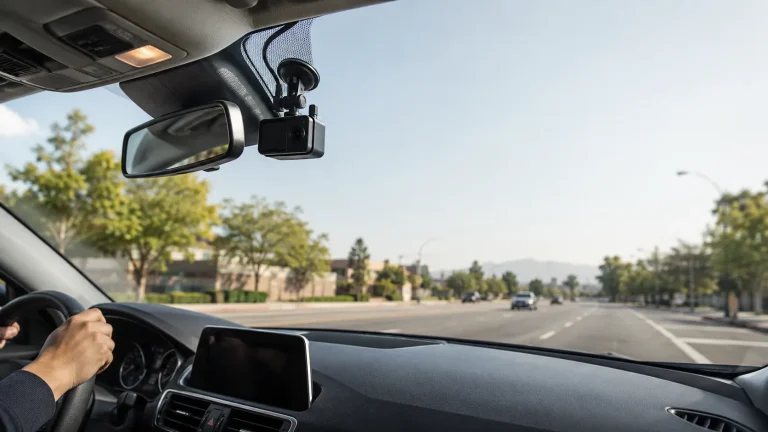
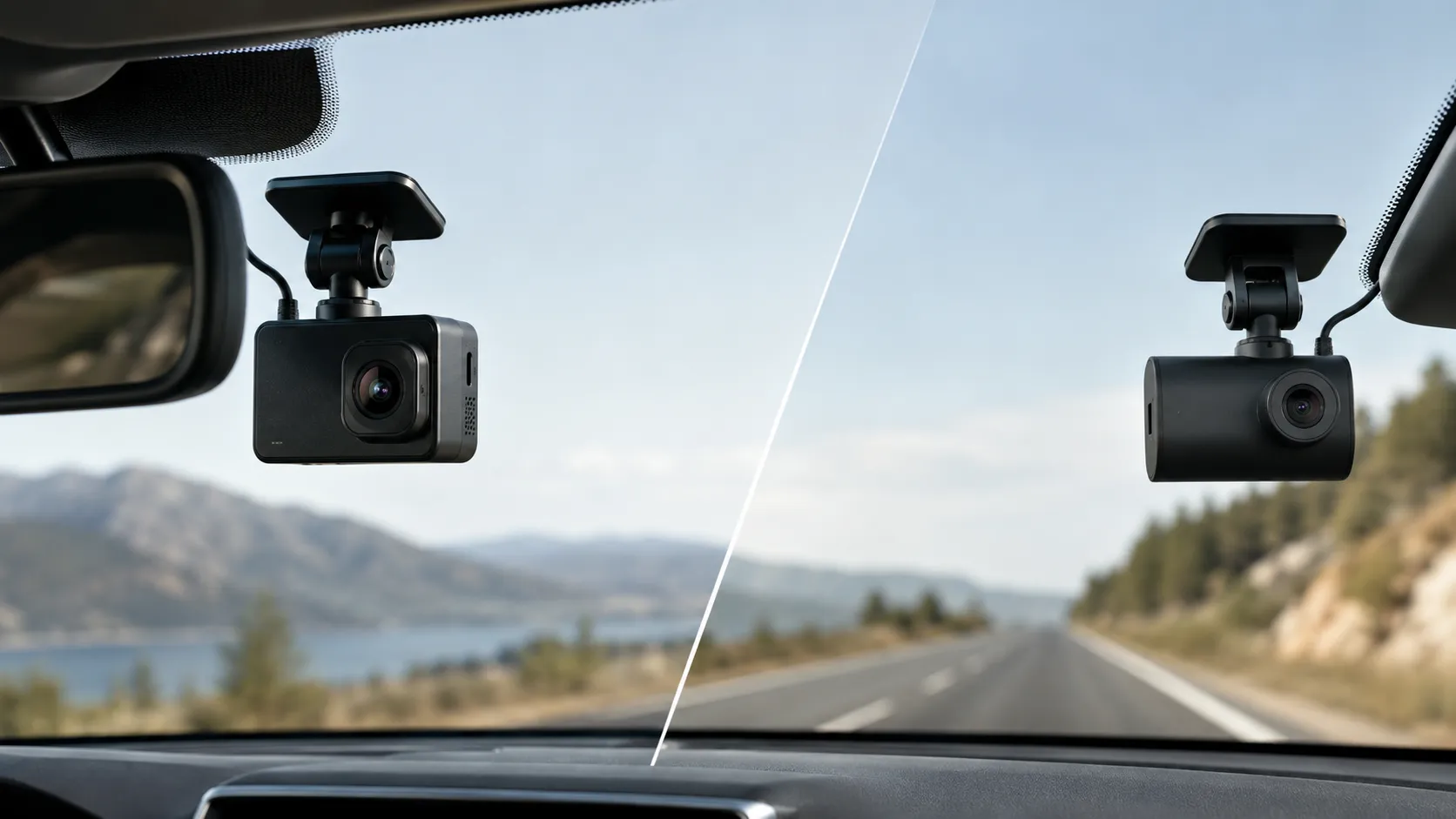
I use a dual-camera system to record two views at the same time, usually through the windshield and rear window. The cameras store synchronized footage, while the driver can review clips, adjust settings, or monitor live views through a screen or phone app.
Front And Rear Camera Coverage
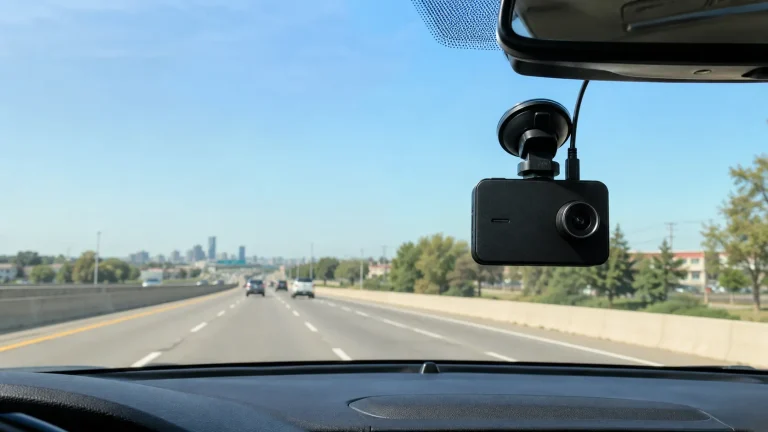
The front camera records the road ahead, including traffic lights, lane changes, road signs, and vehicles approaching from the front. It usually provides the highest image quality because it handles the main driving view.
The rear camera records vehicles and events behind my car. It can help show details in a rear-end collision, a close following vehicle, or damage that occurs while my car sits in a parking space. I typically mount it inside the rear window, although some systems use an exterior camera near the license plate.
Both cameras record at the same time. The system sends video from each camera to the same memory card, often using separate files or clearly labeled front and rear folders. Image quality may differ between cameras, especially at night or when the rear window has tint, dirt, or heavy rain.
Recording And Viewing Modes
Most dual-camera systems use loop recording. When the memory card fills, the camera deletes the oldest unlocked clips and saves new footage. A built-in impact sensor can lock a clip after a collision, which helps prevent automatic deletion.
I can also start a manual recording to protect an important event. Some models include parking mode, which records motion or impacts while the car is parked. This feature may require a hardwire kit or another power source because many cars turn off the accessory socket when the engine stops.
I can view recordings on the camera, a connected phone, or a computer. GPS data, time, speed, and audio may also appear in the files, depending on the model and my selected settings.
Improved Safety And Awareness
A dual camera system helps me monitor the road ahead and the area behind my car. It also gives me clear video to review when another driver, a cyclist, or an object creates a safety concern.
Wider Visibility Around The Vehicle
A front camera records traffic signals, lane markings, vehicles, and hazards in my path. A rear camera adds visibility behind my car, where a front-facing camera cannot capture tailgating, rear-end collisions, or vehicles approaching from behind.
This wider view supports safer driving decisions. I can check the rear view when changing lanes, reversing, or preparing to stop in heavy traffic. The system does not replace mirrors, direct observation, or safe driving habits, but it gives me another record of events around the vehicle.
Some systems also offer parking mode, wide-angle lenses, or night recording. These features can help capture contact with another vehicle or movement near my parked car, although performance depends on camera quality, lighting, storage, and installation.
Evidence For Incident Review
A dual camera records separate views that I can review after a crash, sudden stop, or disputed traffic event. Front footage may show the signal, lane position, and impact, while rear footage can show whether another vehicle followed too closely or struck my car from behind.
I can use time-stamped video to provide a clearer account to my insurer, police, or another driver. The footage may also identify a vehicle that leaves the scene. I should save the original file quickly, protect it from being overwritten, and check local rules before recording inside the cabin or sharing video.
Parking And Maneuvering Support
A dual camera system can show the area ahead and behind the car while I park or move through tight spaces. This added view helps me judge distance, spot nearby objects, and respond before a minor mistake causes damage.
Reversing Guidance
The rear camera gives me a clearer view when I reverse from a parking space, driveway, or narrow lane. I can watch for pedestrians, bicycles, posts, walls, and low objects that may not appear in the side mirrors.
Some systems display parking lines or distance markers on the screen. These guides help me estimate the car’s path, but I still need to check my mirrors and look around because camera views can have blind areas.
A dual camera setup also lets me compare the front and rear views while I make several-point turns. This helps me avoid moving too close to another vehicle or scraping a bumper against a curb.
Reduced Blind-Spot Risk
A second camera can improve my view of areas that mirrors do not fully cover. A rear-facing camera may show vehicles, cyclists, or people approaching behind me, especially when I leave a crowded parking area.
However, the camera does not remove every blind spot. Its view can become unclear because of rain, dirt, darkness, glare, or a blocked lens. I must keep the lens clean and check my mirrors and shoulder before changing direction.
Some vehicles combine camera feeds with parking sensors or a 360-degree display. These systems can help me judge the car’s position near obstacles, but I should treat them as support tools rather than a replacement for careful driving.
Security When Parked
A dual camera system can record activity at both ends of my parked car. It can help me document damage, identify possible causes, and review events that occur outside my view.
Monitoring Potential Damage
A front and rear camera can capture more than a single-lens system. If another driver hits my car from behind, the rear camera may record the vehicle, its license plate, and the direction it took. The front camera can document damage caused by a vehicle approaching from the opposite side.
Parking mode lets the cameras record when the ignition is off. Depending on the model, the system may use motion detection, impact detection, or time-lapse recording. An impact sensor can save footage when someone bumps my car, while motion detection can record people or vehicles moving near it.
I need to check how the system receives power. Many parking modes require a hardwire kit with low-voltage protection, which helps prevent the camera from draining my car battery. A large, high-endurance memory card also matters because repeated parking recordings can quickly wear out ordinary cards.
Deterring Unauthorized Activity
A visible front and rear camera may discourage some people from tampering with my car. It also makes it more likely that I will have recorded evidence if someone checks the doors, breaks a window, or removes an item from the vehicle.
Motion alerts can notify me when the system detects activity, although features vary by model. Some cameras store recordings locally, while others support Wi-Fi or cloud access. I should confirm whether the camera can send alerts without my phone staying connected to the car.
Camera placement affects coverage. I should mount each unit where it has a clear view and does not block my windshield. I also need to follow local privacy rules, especially when the interior camera records passengers or captures conversations.
Practical Considerations Before Installation
I need to balance clear footage with storage limits, reliable power, and local laws. Camera placement, night performance, cable routing, and privacy rules can affect how well my system works.
Video Quality And Night Performance
I should choose a front camera with at least 1080p resolution. A 1440p or 4K model can record more detail, but it usually creates larger files and may need faster memory cards. The rear camera should also record at 1080p or better so license plates and vehicle details remain easier to identify.
Night performance depends on more than resolution. I should look for a camera with a wide aperture, strong low-light processing, and good exposure control. Infrared lighting may help an interior-facing camera, but it can reflect from the rear window and reduce image quality. I also need to clean both lenses and position them away from window tint, defroster lines, and strong dashboard reflections.
I should test both views after installation during daylight and at night. The front camera must cover the road without too much sky, while the rear camera should show enough space behind the vehicle.
Storage, Power, And Legal Requirements
A dual camera records two video streams, so it uses storage faster than a front-only model. I should use a high-endurance microSD card that matches the camera maker’s capacity and speed requirements. Loop recording usually deletes the oldest unprotected files, while impact detection can lock clips after a collision. I should check the card regularly and format it according to the manufacturer’s instructions.
Power cables must not block airbags, pedals, or the driver’s view. A standard 12-volt adapter works while driving. For parking mode, I may need a hardwire kit with low-voltage protection to prevent battery drain.
I should check local rules before recording. Laws may limit audio recording, filming inside the vehicle, or capturing private areas. I also need to mount the cameras where they do not obstruct my view or violate windshield-placement rules.