Are Dash Cameras a Good Idea? 8 Pros and Cons

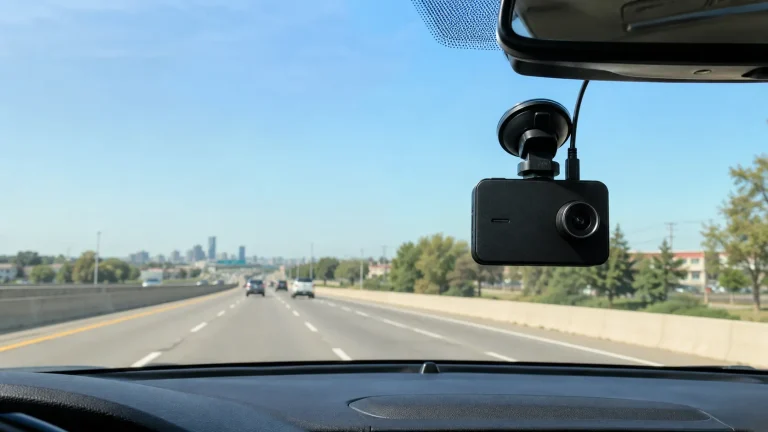
Are dash cameras a good idea? For many drivers, yes. A reliable dashcam can provide useful context after a crash, road dispute, or parking incident. The main limits are privacy, battery use, storage wear, legal placement, and incomplete footage. It works best when mounted safely and checked regularly.
A dash camera is a good idea for commuters, road-trip drivers, rideshare drivers, families, and owners who want a visual record of the road. It is not automatic protection. You still need safe placement, a suitable memory card, correct power settings, privacy controls, and regular footage checks.
Dash cameras do not stop crashes. They record what the lens can see. That recording may help explain the order of events when memories differ or an incident happens quickly.
In my view, a dashcam is worthwhile when you choose a dependable model and treat it like other vehicle equipment. Install it correctly, keep it out of your sight line, and confirm that it is still recording.
Why Dash Cameras Can Be a Good Idea
They Create a Visual Road Record
A dashcam can show lane position, traffic signals, vehicle movement, road conditions, and the time sequence around an incident. This may give police, insurers, attorneys, or vehicle owners more context.
The footage is not complete proof by itself. A camera may miss a side impact, rear collision, driver action, or object outside its field of view.
They Can Help During Road Disputes
People may remember a stressful event differently. Video can help show what was visible from the camera’s position.
Useful footage may reduce guesswork about who entered a lane, which light was showing, or when a vehicle began braking. The clip still needs to be clear, correctly dated, and saved before loop recording overwrites it.
Parking Mode May Record While You Are Away
Some cameras offer parking mode for motion or impact events after the engine is off. This may help document a parking-lot bump, vandalism, or activity near the vehicle.
Parking mode needs a proper power source. BlackVue notes that extended parking operation can drain a vehicle battery, while some systems use low-voltage cutoff, power-saving settings, or an external battery. Review the official BlackVue parking-power guidance.
Main Benefits and Limits
A dashcam is most useful when its benefits match your driving needs and its limits are managed.
| Potential Benefit | Main Limitation | Best Practice |
|---|---|---|
| Road evidence | Limited field of view | Check camera angle |
| Parking recording | Battery use | Use protected power |
| Trip record | Large file volume | Save key clips |
| Cabin coverage | Privacy concerns | Control audio and access |
| Simple operation | Storage can fail | Check recordings often |
| Driver context | Can distract | Set up while parked |
What a Dashcam Cannot Do
A dashcam cannot prevent a crash, guarantee a readable license plate, or capture every direction. It cannot replace careful driving, mirrors, vehicle safety systems, or an emergency plan.
Footage may be limited by darkness, glare, rain, snow, dirty glass, motion blur, distance, or a sharp angle. A wide lens may record more of the scene while making distant objects appear smaller.
Privacy Is a Real Consideration
A dash camera may record license plates, homes, workplaces, passengers, conversations, GPS locations, and daily travel patterns. Cabin cameras can collect even more personal information.
Cloud features may place footage or location data in an online account. Protect the app with a strong password, review permissions, and delete clips you no longer need.
Safe Placement Matters
A dashcam should not block the driver’s view, cover a factory camera, hit the mirror, or interfere with a sun visor. The cable must stay away from pedals, steering parts, moving seats, and identified airbag areas.
NHTSA explains that air bags deploy very quickly. Do not place devices or cables in a marked airbag area. Review the official NHTSA airbag guidance and your vehicle manual before routing wires behind trim.
A bright screen or loose wire can also distract the driver. NHTSA defines distracted driving as any activity that takes attention away from safe driving. Read the NHTSA distracted-driving guidance.
Memory Cards Need Maintenance
Dashcams record and overwrite video repeatedly. This can wear out a memory card and lead to missing clips, freezing, corrupted files, or recording errors.
Garmin recommends cards designed for continuous dashcam use and notes that higher-endurance cards are built for repeated read-write cycles, temperature changes, and vehicle vibration. Check the Garmin dashcam memory-card guidance.
Legal Rules Can Vary
Windshield-mounting and audio-recording rules can differ by state. A mounting position that is allowed in one place may not be allowed in another.
Review the current California Vehicle Code Section 26708. Check your own state legislature or motor vehicle agency before installation.
Who Benefits Most?
A dash camera is often a good idea for:
- Daily commuters
- Highway and road-trip drivers
- Rideshare and delivery drivers
- Families sharing one vehicle
- Drivers parking on busy streets
- Owners who want a road record
It may be less useful when you rarely drive, do not want any recording, cannot find a legal mounting point, or do not want to maintain storage and power.
For more help comparing vehicle cameras, visit our car electronics guide. Our safety gear guide covers other equipment for everyday and emergency driving.
Pros and Cons
- Creates a visual road record
- May document parking incidents
- Can clarify event timing
- Useful for frequent drivers
- Works automatically when set up
- Creates privacy concerns
- Needs storage maintenance
- Parking mode can drain power
- May attract theft
- Cannot capture every angle
Before You Buy
- Watch real daytime and nighttime sample footage.
- Check front, rear, and cabin coverage.
- Confirm memory-card type and capacity.
- Review parking-mode power protection.
- Check mount size and windshield position.
- Review app, GPS, audio, and cloud settings.
- Check warranty and firmware support.
- Plan a safe cable route.
- Confirm current state rules.
- Make sure important clips are easy to save.
- Best for: Drivers who want a visual road record and will maintain the camera correctly.
- Think twice if: Privacy, battery use, legal placement, or ongoing storage checks are major concerns.
- Next step: Choose the coverage you need, plan safe placement, and test saved footage before relying on the camera.
Frequently Asked Questions
Yes, a dash camera can be a good idea for many drivers because it may provide useful context after a crash, road dispute, or parking incident. It is most useful when the camera records reliably, is mounted safely, and is checked regularly.
Dashcam footage can help show timing, lane position, traffic signals, and vehicle movement. It may support other evidence, but one camera may miss part of the event. Police, insurers, attorneys, or courts decide how much weight to give the recording.
Yes, parking mode can drain the battery when the camera keeps running after the engine is off. Use a compatible hardwire kit or battery pack with suitable protection, and check the vehicle battery if the car sits for long periods.
Dash cameras are widely used, but mounting and audio-recording rules can vary by state. Keep the device outside the driver’s clear view and check current state law before using windshield mounts, cabin cameras, or audio recording.
Yes. Continuous loop recording writes and overwrites data many times. Use a card that meets the camera maker’s requirements, check sample clips often, and replace the card when errors, corruption, or recording warnings continue.
It can. A bright display, repeated alerts, a loose cable, or changing settings while moving can draw attention from the road. Mount the camera outside the main sight line and complete all setup or video review while parked.
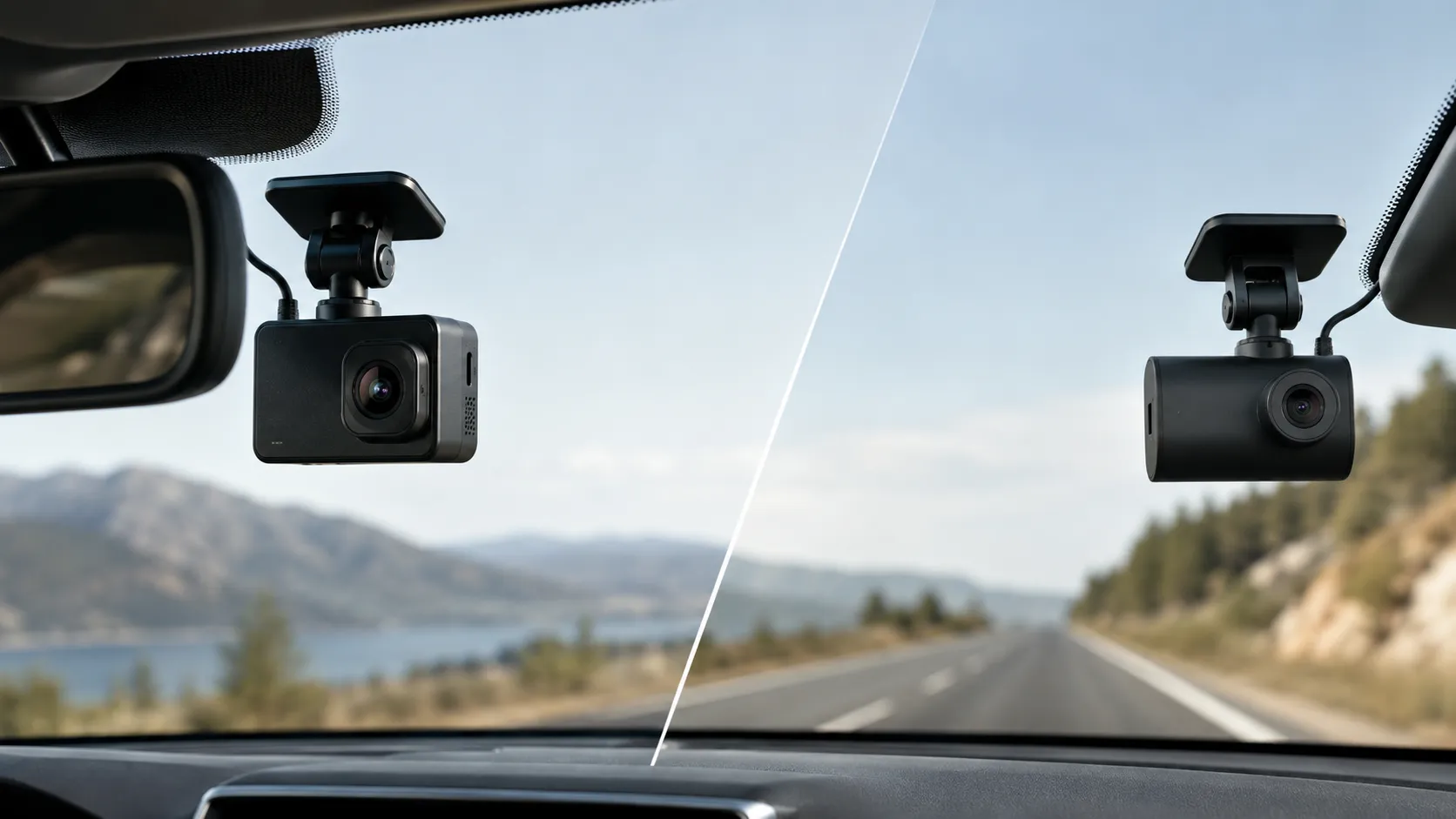
A front-only camera can record the road ahead and may suit a basic budget. It cannot show every rear, side, or cabin event. Drivers who want broader coverage may prefer front-and-rear or multi-channel systems.
Conclusion
Dash cameras are a good idea for many US drivers because they can provide useful road and parking context. Their value depends on reliable recording, safe installation, and regular checks.
For owners, the main work involves storage, power, privacy, and maintenance. For drivers, the main concerns are visibility and distraction.
Choose a camera that fits your real needs. Mount it safely, protect the data, and review sample footage before depending on it after an incident.