Do You Need to Tell Your Insurance If You Get a Dash Cam?

Do you need to tell your insurance if you get a dash cam? Usually, you do not need to report a normal removable camera before using it. However, you should check your policy or ask your insurer if the camera is hardwired, tied to a discount program, used commercially, or involved in a claim.
Most personal auto policyholders do not need to call their insurer just because they installed a plug-in dash cam. Notice may still be wise for hardwired systems, business or rideshare use, special insurance programs, or costly equipment. After a crash, report the incident and mention available footage promptly.
There is no single answer that covers every US insurer and policy. Auto insurance is a contract. Your declarations, policy conditions, endorsements, and insurer rules control what you must report.
For most owners, the safest step is simple. Review the policy section about vehicle changes and accessories. Ask the insurer in writing when the wording is unclear.
In my view, a short question before installation is worth it when you plan to hardwire the camera. It can prevent confusion about the electrical work, equipment coverage, or a future claim.
The Usual Rule for Personal Dash Cams
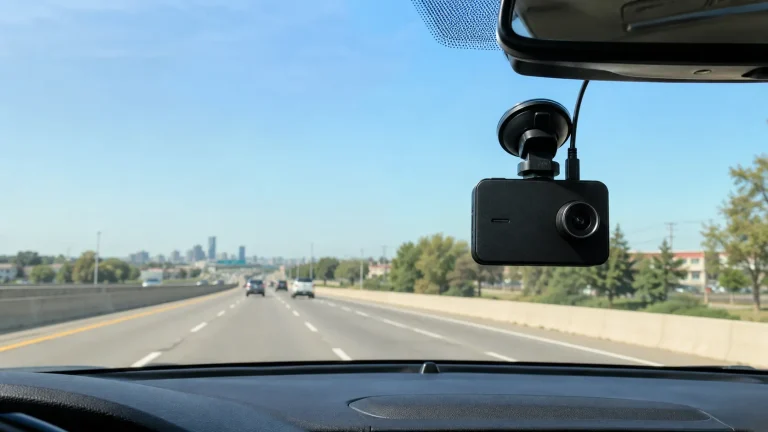
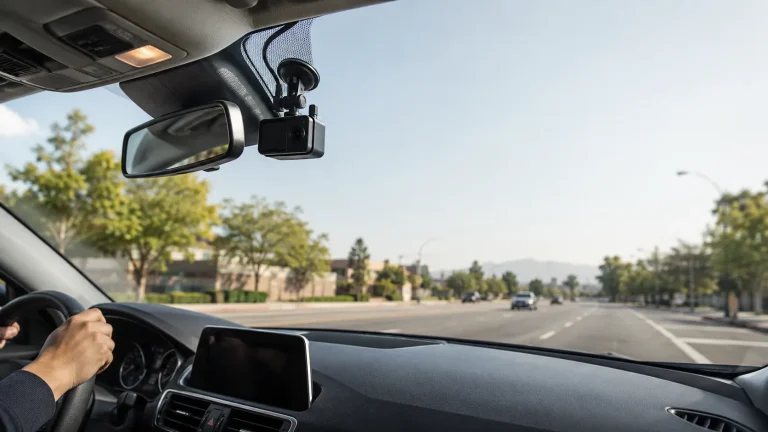
A removable dash cam that plugs into a USB port or 12-volt outlet normally works like another vehicle accessory. It does not change the listed driver, vehicle use, garaging address, or basic insurance coverage.
That does not create a universal rule. Your insurer may ask about added equipment, vehicle modifications, commercial use, or devices connected to a discount program.
| Situation | Tell the insurer? | Best action |
|---|---|---|
| Removable plug-in camera | Usually not required | Check policy wording |
| Hardwired camera | Ask the insurer | Confirm in writing |
| Insurance data program | Yes | Follow enrollment rules |
| Rideshare or business use | Often important | Check commercial coverage |
| Expensive camera system | Ask about coverage | Check accessory limits |
| Crash with saved footage | Report promptly | Preserve the original file |
Why Your Policy Controls the Answer
The National Association of Insurance Commissioners explains that insurance starts with a policy contract. The policy lists what is covered and may also list exclusions and policyholder duties. Review the NAIC explanation of how insurance works.
A standard dash cam may not affect how an insurer rates a personal vehicle. However, the installation method or vehicle use may matter more than the camera itself.
Look for policy terms about:
- Changes to the insured vehicle
- Aftermarket equipment and accessories
- Commercial, delivery, or rideshare use
- Driver-monitoring or telematics programs
- Notice after a loss or accident
- Duties when submitting claim evidence
Tell the Insurer About Hardwiring?
A hardwired dash cam connects to the vehicle’s electrical system instead of a removable cabin outlet. This can support a cleaner cable route and parking recording. It also creates more installation risk.
Some policies may treat added electrical equipment differently from a removable accessory. There is no safe reason to guess. Ask the insurer whether the installation must be listed as an accessory or modification.
Check: Review the vehicle manual, camera instructions, voltage needs, fuse type, parking-mode protection, cable route, and windshield location. Limitations: Airbags, driver-assistance sensors, leased vehicles, and warranty terms may limit where or how the camera can be installed.
Contact the leasing company before making a permanent change to a leased vehicle. You should also keep the installer’s invoice and details of the hardwire kit.
Owners planning a do-it-yourself setup can review our tools and garage gear section. Use a professional installer when you cannot confirm the correct power circuit or airbag-safe cable route.
Will Reporting a Dash Cam Lower Your Premium?
Do not expect an automatic discount. Progressive states that it does not offer a dash cam discount and notes that insurers generally do not offer a direct discount only for owning one. Its guidance explains that footage may still support an insurance claim. See Progressive’s dash cam insurance guidance.
A dash cam is also different from an insurer’s telematics device. Telematics programs may collect mileage, braking, speed, phone use, or other driving data. A normal personal camera often stores video locally and does not send it to the insurer.
You must tell the insurer when you choose to join a program that requires a connected camera, app, or tracking device. The program terms may require installation, activation, continuous data sharing, or return of insurer-owned equipment.
When You Must Mention the Footage
Installing the camera and reporting an accident are separate issues. Your policy may require prompt notice after a loss, even when you do not plan to ask for payment right away.
When you report the event, tell the claims representative that dash cam footage may be available. Allstate lists dash cam footage among the information that may be used when starting an auto claim. Review its auto claim information checklist.
The insurer may ask for a copy. Keep the original file and provide the requested format. Do not edit the original clip or add captions, music, filters, or altered timestamps.
Lock the clip or turn off the camera when it is safe. Follow the camera maker’s instructions.
Copy the full file to secure storage. Keep the memory card until the claim is resolved.
Note the date, time, location, vehicles, witnesses, and police report number when available.
Contact the insurer using its official claim channel and mention the saved video.
Provide the file as requested. Keep a record of what you sent and when.
| Keep | Why it matters | Avoid |
|---|---|---|
| Original video file | Preserves the full recording | Editing the source file |
| Backup copy | Prevents accidental loss | Relying on one card |
| Full time range | Provides event context | Saving only one moment |
| Claim messages | Tracks what was shared | Using unofficial contacts |
| Camera settings | Explains date or audio | Changing settings afterward |
Can the Footage Work Against You?
Yes, the recording may not support your version of the event. It could show your speed, lane movement, traffic signal, following distance, phone use, or comments inside the car.
Do not hide, delete, or alter relevant footage after a claim or legal dispute begins. Tell the truth about what the camera recorded and follow instructions from the insurer or your attorney.
A dash cam does not decide fault by itself. The insurer may also review vehicle damage, witness accounts, police reports, road conditions, policy terms, and other evidence.
- Keep the original recording
- Report the event promptly
- Share accurate, complete information
- Save insurer communications
- Edit or crop the source file
- Post claim footage too early
- Promise that video proves fault
- Adjust the camera while driving
Privacy and Data Questions
A road-facing camera may record license plates, homes, faces, and locations. A cabin camera can also record passengers and conversations.
State laws on audio recording and consent can vary. Rideshare, delivery, and commercial drivers should also check platform rules, employer policies, and commercial insurance requirements.
You can find more camera, mounting, and power guidance in our car electronics guide. Our safety gear guide covers other equipment for roadside emergencies.
Questions to Ask Your Insurer
- Does my policy require notice of a removable dash cam?
- Is a hardwired camera treated as a modification?
- Is the camera covered after theft or vehicle damage?
- Is there a limit for aftermarket equipment?
- Does the insurer offer a current dash cam program?
- Must I use a specific installer or device?
- How should I submit footage after a claim?
- Can I get the answer in writing?
Write down the date, representative’s name, and answer. Save any confirmation email with your policy documents.
Who Should Contact the Insurer Now?
Calling is most useful when your setup or vehicle use is not standard. Contact the insurer before relying on the camera when:
- The camera will be hardwired into the electrical system.
- The vehicle is leased or financed with accessory limits.
- You use the vehicle for rideshare, delivery, or business work.
- The system includes several expensive cameras or a battery pack.
- You want the equipment itself covered against theft or damage.
- You expect a discount or insurer-linked program.
- Your policy asks about aftermarket devices or modifications.
A simple plug-in camera in a private passenger car may not need advance notice. Still, a quick policy check gives you a more reliable answer than a general rule.
- Best for: Owners who want clear policy records and useful video evidence after a claim.
- Think twice if: You assume every insurer treats plug-in, hardwired, commercial, and connected cameras the same way.
- Next step: Check the policy, ask about hardwiring and accessory coverage, and save the insurer’s answer in writing.
Frequently Asked Questions
There is no single US rule requiring every personal driver to report a normal dash cam. Your policy may still require notice of modifications, commercial use, connected insurance programs, or added equipment. Check the policy and ask the insurer when unsure.
Yes, asking is the safest choice. Hardwiring connects the camera to the vehicle’s electrical system and may be treated differently from a removable accessory. Get the insurer’s answer in writing before installation when possible.
Usually, there is no automatic personal auto discount just for owning a dash cam. Discounts and connected driving programs vary by insurer and state. Ask whether a current program exists and what data or equipment it requires.
Tell the claims representative that footage exists and follow the insurer’s request. Preserve the full original file and a backup copy. Do not edit the source video, change its timestamp, or delete footage that may be relevant.
Yes, it may show actions that do not support your claim, such as unsafe speed or lane movement. Video is only one part of a claim, but you should preserve it, describe it honestly, and follow legal or insurer instructions.
Coverage depends on the policy, deductible, where the camera was located, and how aftermarket equipment is treated. Ask whether the camera falls under auto, renters, homeowners, or another coverage and whether an accessory limit applies.
Rideshare drivers should check with the insurer and platform. Personal auto policies may limit business use, while cabin video and audio can raise consent and privacy issues. Confirm the insurance, platform, and state requirements before recording passengers.
Conclusion
Do you need to tell your insurance if you get a dash cam? Usually not for a normal removable camera used in a personal vehicle. Your policy may change the answer.
Owners should ask about hardwiring, expensive accessories, business use, and discount programs. Drivers should mount the camera safely and avoid adjusting it while moving.
After an accident, report the event as required and mention the footage. Preserve the original file, keep a backup, and provide an accurate copy when requested.
Your next step is to review the policy and ask one clear question: “Does this dash cam setup require notice under my policy?” Keep the answer in writing.