Which Dual Dash Cam Is the Best? Top Features to Consider

A dual dash cam records the road ahead and the traffic behind you, giving you a fuller record of each drive. I compare video quality, night performance, reliability, storage, installation, and price to identify the strongest options.
The Viofo A229 Pro 4K Dual is my top overall choice because it combines sharp front video, strong rear recording, useful voice controls, and dependable performance. The Redtiger F7NP offers a lower-cost alternative with 4K front recording and Wi-Fi.
Your vehicle, budget, and parking needs may point to a different setup. I’ll compare the key features, explain legal and privacy concerns, and show which model fits different driving habits.
Key Takeaways
- The Viofo A229 Pro 4K Dual leads for overall performance.
- Video quality, night recording, storage, and installation matter most.
- Your budget and vehicle needs should guide the final choice.
How Dual Dash Cameras Work
A dual dash cam uses one camera to record the road ahead and a second camera to record behind the vehicle. I look for systems that save both views together, offer clear video in poor light, and provide recording modes that match the driver’s needs.
Front And Rear Coverage
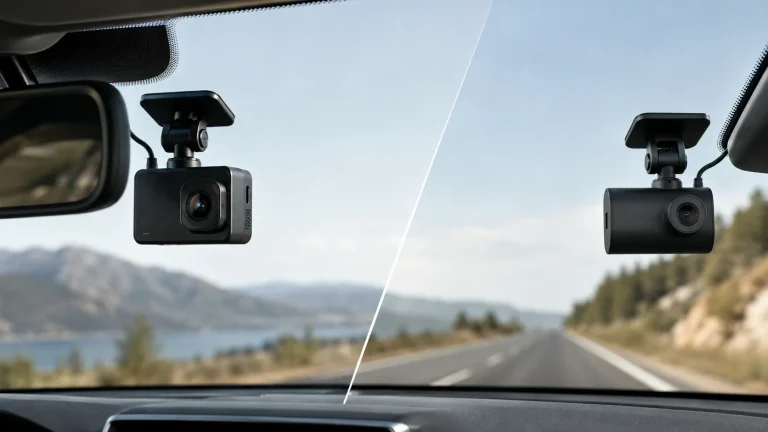
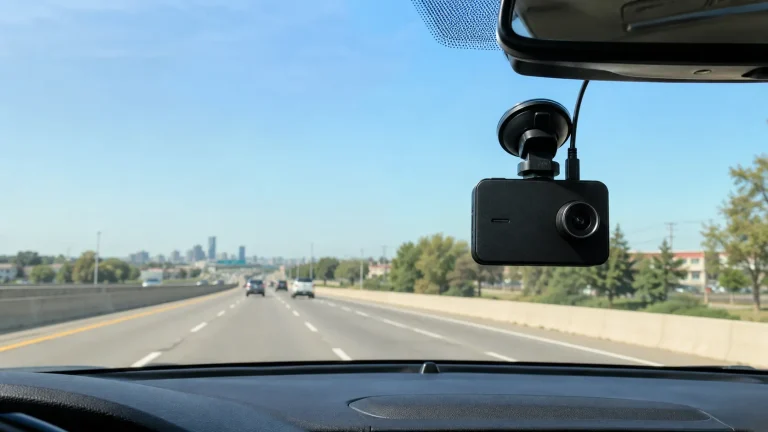
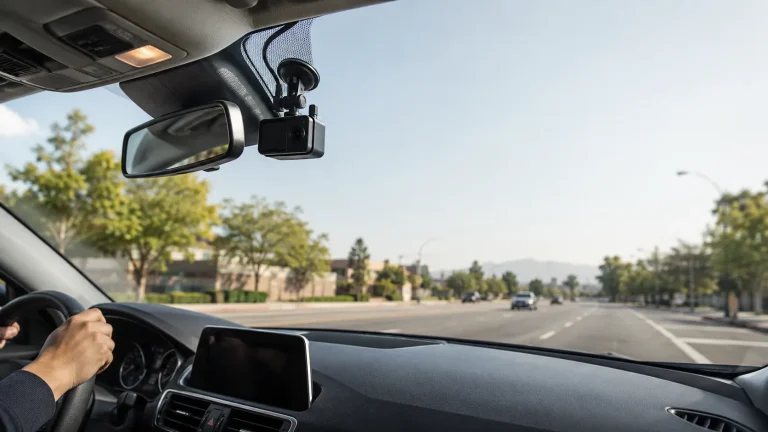
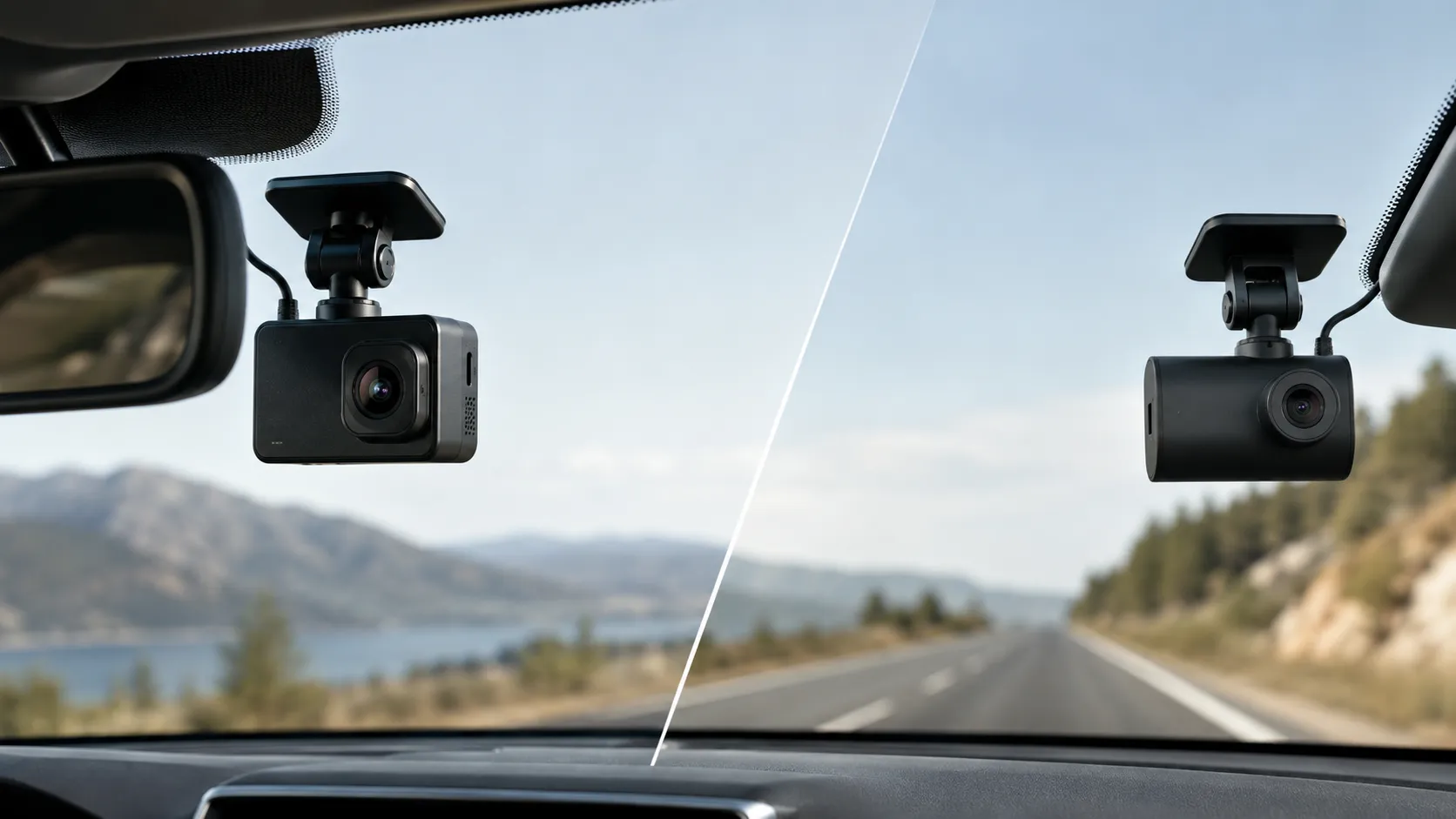
The front camera usually mounts near the rear-view mirror and records the road through the windshield. The rear camera mounts on the back window, often near the top, and records traffic behind the vehicle. Some models use a separate cabin camera instead, so I check the camera layout before comparing products.
Both cameras typically record at the same time. The front unit may offer higher resolution, such as 1440p or 4K, while the rear camera often records at 1080p. A wide viewing angle helps capture nearby lanes, but an extremely wide lens can make license plates look smaller.
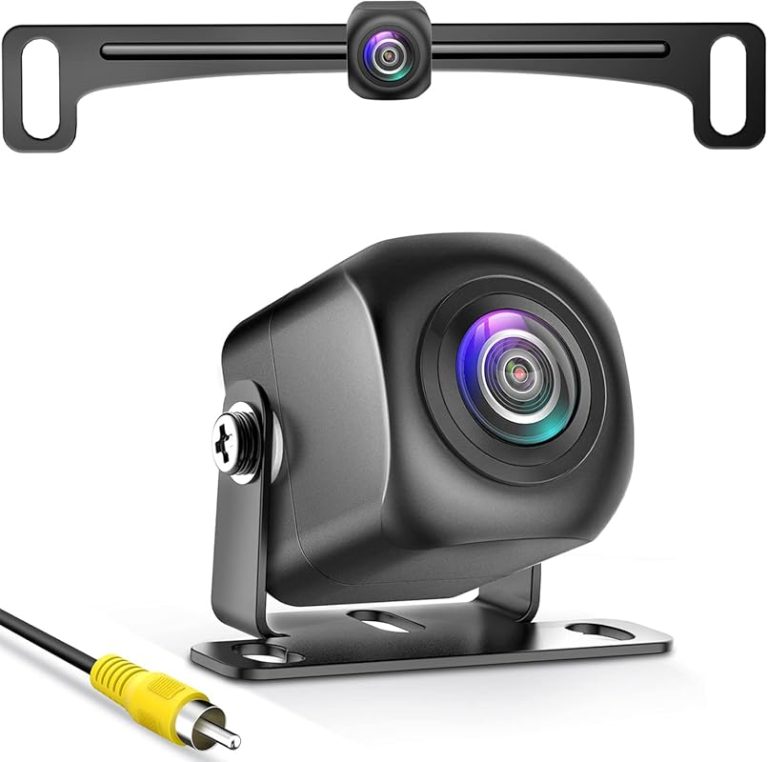
The rear camera connects to the front unit with a long cable routed beneath interior trim. This creates a cleaner installation but requires more work than a single-camera system. I also check whether the rear camera supports night recording and whether its image remains clear through tinted glass.
Key Recording Modes
Loop recording divides video into short files, often one, three, or five minutes long. When the memory card fills, the camera replaces the oldest unlocked files. This lets the system record continuously without manual file management.
An impact sensor, or G-sensor, detects sudden braking or collisions and protects the related file from automatic deletion. I still recommend checking protected files regularly, because a full card can stop new recordings if too many files remain locked.
Parking mode records while the vehicle remains parked. Depending on the model, it may use motion detection, impact detection, time-lapse recording, or buffered recording that saves footage from before and after an event. Many cameras need a hardwire kit or an external battery to run safely while the engine is off. A high-endurance microSD card also helps the system handle repeated writing.
Essential Features To Compare
I compare image quality, parking protection, and everyday control before price or extra features. A strong dual dash cam should capture clear front and rear footage, monitor a parked vehicle safely, and make clips easy to save and review.
Video Resolution And Night Vision
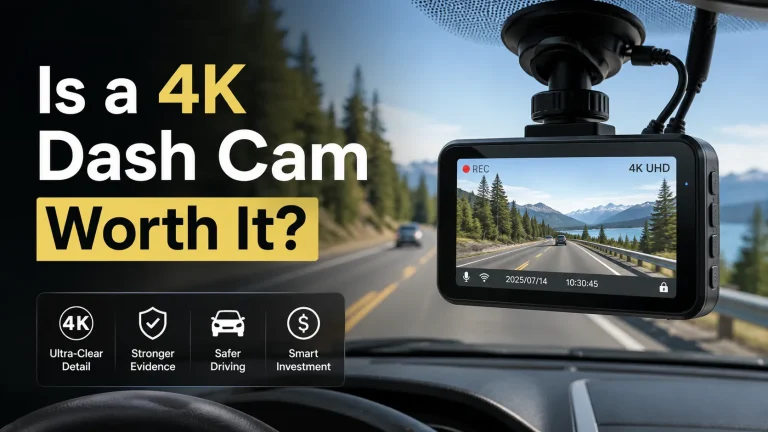
I look for at least 1080p front and rear recording. A 4K front camera can capture more detail, which may help identify license plates and road signs, while a 1080p rear camera often provides adequate coverage. Higher resolution also uses more storage, so I check whether the camera supports a high-capacity, high-endurance microSD card.
Night performance matters as much as daytime resolution. I compare footage from street-lit roads, dark parking areas, and oncoming headlights. Look for a wide dynamic range, HDR, and a sensor that controls glare without making shadows too dark. Infrared lighting helps an interior camera, but it does not automatically improve front or rear road footage.
Parking Surveillance
Parking mode can record impacts or movement while the vehicle is unattended. I check whether the camera needs a hardwire kit or an external battery pack, because a standard 12V socket may lose power when the car turns off. A hardwire kit can also provide low-voltage protection to reduce the risk of draining the vehicle battery.
I prefer cameras with impact detection, buffered recording, and adjustable motion sensitivity. Buffered recording saves a few seconds before and after an event, which can show what caused the impact. Before using parking mode, I confirm that the camera supports time-lapse or low-power recording and that installation will not block airbags or interfere with the vehicle’s wiring.
GPS, Wi-Fi, And App Control
GPS adds location, speed, and time data to recorded files. I treat it as useful evidence, but I check whether the GPS stamp can be disabled if I do not want speed data displayed. Accurate time settings also help organize footage after an incident.
Wi-Fi lets me connect a phone directly to the camera and download clips without removing the memory card. I look for an app that offers simple live viewing, file search, and sharing. Wi-Fi does not necessarily provide internet access; it usually creates a short-range connection between the camera and phone.
A responsive app matters more than a touchscreen. I also check whether the camera includes physical buttons for locking footage quickly while driving.
Top Dual Dash Camera Picks
I compare dual dash cams by video quality, night performance, reliability, ease of installation, and price. A strong choice should record clear front and rear footage without adding unnecessary features or setup problems.
Best Overall Option
I recommend the ROVE R2-4K DUAL as the best overall option for most drivers. Its front camera records in 4K, while the rear camera records in 1080p. This combination captures useful detail ahead of the car and provides clear evidence of vehicles approaching from behind.
The camera uses a Sony STARVIS 2 sensor, which can improve detail in low-light scenes. I would still check footage from both cameras at night before relying on it, since results depend on road lighting, window tint, and installation.
The ROVE R2-4K DUAL suits drivers who want strong image quality without moving into the highest price range. Before buying, I would confirm that the package includes the rear camera, wiring, and a suitable memory card.
Best Value Option
I consider a dual 4K front and 1080p rear dash cam the best value for drivers who want useful coverage at a moderate price. Current buying guides list models priced below about $110, but I would judge the camera by its sensor, recording stability, and warranty rather than price alone.
A value model should include loop recording, automatic incident protection, and a wide enough view to capture nearby lanes. It should also support a reliable microSD card and provide a rear cable long enough for the vehicle.
I would avoid choosing a camera only because it advertises a high front resolution. A sharp front image does not compensate for poor rear footage, weak night recording, or unreliable file storage.
Best Premium Option
I recommend a premium dual dash cam for drivers who need stronger low-light performance, better construction, and more dependable parking protection. Premium models often add HDR, improved night sensors, GPS, Wi-Fi, and optional hardwire kits.
I would give priority to front and rear HDR, because it can help balance bright headlights and dark road areas. GPS can also record speed and location, although some drivers may prefer not to store that information.
A premium camera still needs careful installation. I would place the front unit behind the rear-view mirror, route the rear cable safely, and use a hardwire kit only if it includes the correct voltage protection.
Choosing The Right Setup For Your Vehicle
I match the camera’s power method and installation style to the vehicle’s layout, parking habits, and available wiring routes. I also check storage capacity and card reliability because front and rear video can fill a memory card quickly.
Power And Installation Options
I use a 12-volt socket for the simplest installation. This setup works well when I only need recording while driving, but the camera may stop when the vehicle turns off. I also check whether the socket remains powered after shutdown, since that can drain the battery.
For parking mode, I prefer a hardwire kit connected to a fused circuit. A kit with low-voltage protection cuts power before the vehicle battery reaches an unsafe level. I confirm that the kit matches the dash cam’s voltage and connector before installation.
I mount the front camera behind the rear-view mirror without blocking my view. I route the rear cable along the headliner and door seals, keeping it clear of airbags. Hatchbacks and SUVs may need a longer cable or a flexible route through the tailgate. Professional installation can reduce trim damage and hide the wiring.
Storage Capacity And Reliability
I choose a high-endurance microSD card, not a standard card made mainly for phones. Dash cams write and overwrite video constantly, which can wear out ordinary cards. I check the camera maker’s supported capacity and speed rating before buying.
A dual camera records two video streams, so it uses storage faster than a front-only model. As a practical guide, a 128GB card often provides several hours of looped footage, while a 256GB card gives more time before older files are replaced. Exact recording time depends on resolution, frame rate, compression, and audio settings.
I format the card in the camera regularly and replace it when the camera reports errors or stops saving clips. I also protect important footage by copying it to a phone or computer soon after an incident. Parking mode may require more storage because motion and impact events can create many protected files.
Legal And Privacy Considerations
I check local recording laws before installing a dual dash cam. Rules can affect audio capture, where I place the camera, and how I store or share footage.
Recording Consent Rules
I treat video and audio as separate legal issues. In many places, recording video from a public road is allowed, but recording private conversations may require consent from one or more people. I disable the microphone when local law restricts audio recording or when passengers do not agree.
I also avoid filming into private areas, such as homes, fenced yards, or private workplaces. A dash cam may record license plates and faces in public, but I use that footage only for a valid purpose, such as an insurance claim or police report.
Before using footage, I:
- Check state, provincial, or national privacy rules.
- Tell passengers when the camera records audio.
- Keep footage secure and delete clips I do not need.
- Avoid posting identifiable footage online without permission.
- Provide original files if an insurer or law enforcement agency requests them.
Cloud features can create extra privacy risks. I review the brand’s storage policy, account security, retention period, and subscription terms before connecting the camera to an app.
Windshield Placement Requirements
I place the front camera behind the rearview mirror when possible. This position keeps it within the wiper-cleared area and reduces blocked vision. I mount the rear camera high on the back window without covering the defroster lines or interfering with the driver’s view.
Placement laws differ by location. Some areas ban devices in specific windshield zones, while others set limits based on size or position. I check the relevant vehicle and traffic rules instead of relying only on the camera maker’s instructions.
I keep the power cable secured along the headliner and trim. Loose cables can distract me or interfere with airbags. I also confirm that the mount does not block safety sensors, tint bands, inspection stickers, or the vehicle identification number.
A suction mount may violate local rules or fall during heat. I prefer a low-profile adhesive mount that holds the camera firmly and allows me to remove it without damaging the glass.
Frequently asked questions
Which dual dash cam should I choose?
I would choose a model with front and rear recording, clear night video, GPS, and a reliable parking mode. For the sharpest footage, I would consider a dual 4K system, but a good 4K front and 2K rear setup can offer better value.
Is dual 4K worth the extra cost?
It can help capture plates and road details, especially in daylight. I would still check night performance, heat control, storage limits, and rear-camera quality before paying more for dual 4K.
Do I need GPS?
I recommend GPS if I want location and speed data attached to each recording. This information can help document where and when an incident occurred, but I should confirm local rules about using speed data.
What memory card should I use?
I would use a high-endurance microSD card that matches the camera maker’s capacity and speed requirements. Dash cams record continuously, so standard cards may wear out faster.
Can a dual dash cam record while parked?
Many models support parking mode, but I usually need a hardwire kit or another constant power source. I should also check whether the system offers impact detection, motion recording, or time-lapse recording.
Does the rear camera need professional installation?
I can often install it myself by routing the cable along the vehicle’s trim. A professional installer may provide a cleaner fit and reduce the risk of damaging interior panels.
Conclusion
I would choose a dual dash cam with strong front and rear video, clear night footage, GPS, and dependable parking mode. These features provide useful evidence during crashes, insurance claims, and parking incidents.
For most drivers, 4K front video with 1080p rear video offers a practical balance between detail, storage needs, and price. A dual-4K model may suit drivers who want the sharpest footage, but it can require larger memory cards and more storage space.
I would also check the camera’s app, mounting system, warranty, and heat performance before buying. A high resolution rating matters less if the camera cannot read plates at night or loses recordings.
| Driving need | Features I would prioritize |
|---|---|
| Daily commuting | Clear video, simple controls, reliable loop recording |
| Highway driving | 4K front camera, wide dynamic range, GPS |
| Street parking | Buffered parking mode, impact detection, hardwire kit |
| Value-focused use | 1440p or 1080p front and rear video, good warranty |
The best choice depends on the vehicle, budget, and driving conditions. I would select the model that records both directions consistently and stores footage safely, rather than choosing only by resolution.