Dual Dash Cam vs Three-Channel Dash Cam: Which Is Right for You?

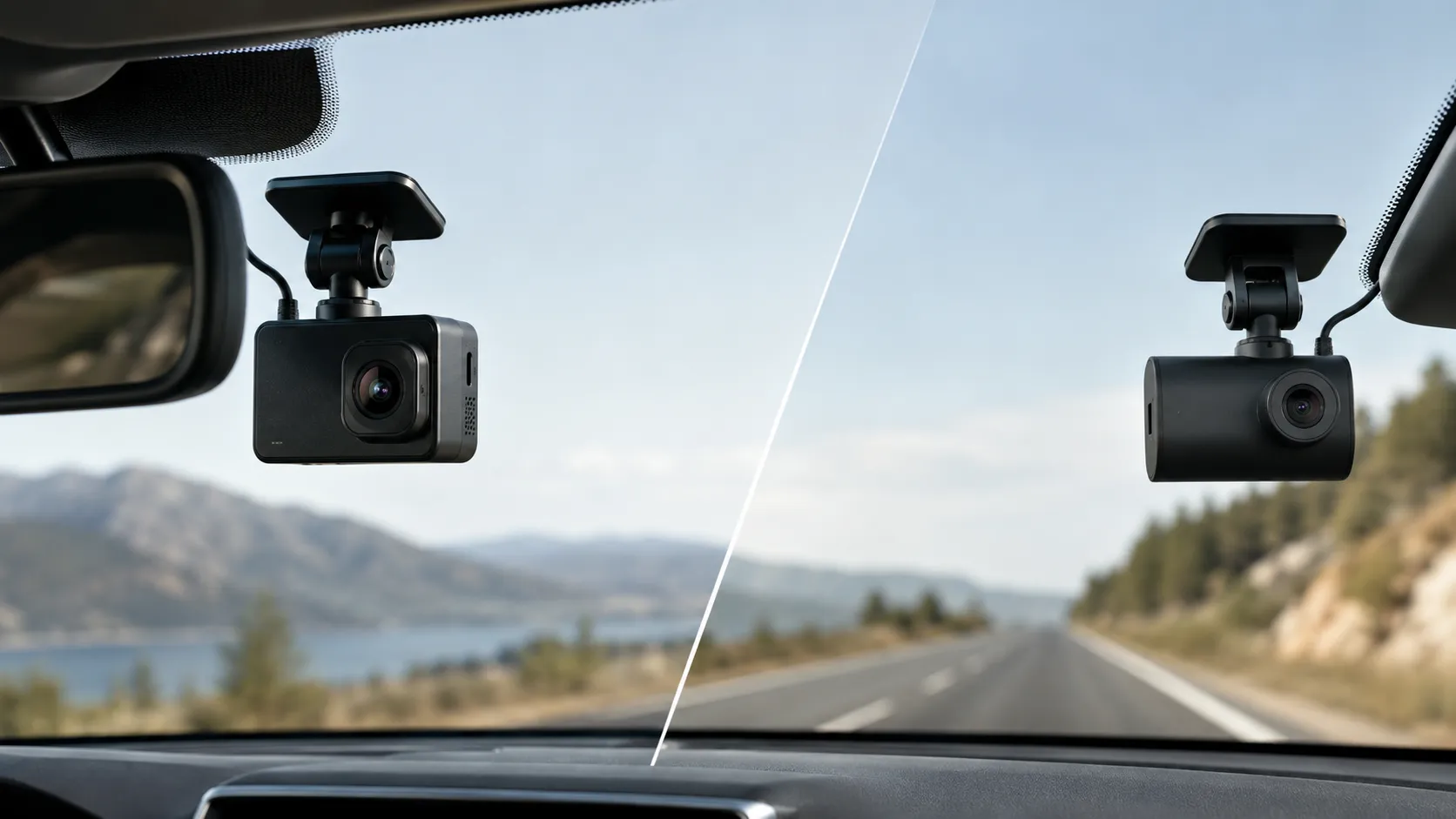
A dual dash cam records the road ahead and behind, while a three-channel model adds an interior view. Choose a dual dash cam for essential road coverage; choose a three-channel model if you need to record the cabin as well.
I’ll compare their coverage, daily use, installation, storage, cost, privacy, and legal concerns. You’ll also see which setup fits commuting, rideshare work, family driving, and parked-car protection.
Key Takeaways
- Dual cameras cover the front and rear.
- Three-channel cameras also record the cabin.
- Your driving needs should guide your choice.
Camera Configurations And Coverage
I compare dash cams by the areas they record, the detail they capture, and the evidence they preserve. A dual system covers the road ahead and behind, while a three-channel model adds the vehicle interior for a fuller view of an incident.
Front And Rear Recording
A dual dash cam uses two cameras: one faces forward, and the other records behind the vehicle. The front camera usually captures traffic lights, lane markings, road signs, and vehicles approaching from ahead. The rear camera records following traffic, rear-end collisions, and activity behind the car.
I would check whether the rear camera connects by a long cable and whether the cable length suits the vehicle. Resolution also matters. A 4K front camera may show license plates more clearly than a lower-resolution model, but image quality still depends on lighting, focus, and distance.
Some systems record both views at the same time. Others reduce the rear camera’s resolution when both cameras operate together. I would confirm the combined recording specifications before buying.
Interior Cabin Monitoring
A three-channel dash cam adds an interior-facing camera to the front-and-rear setup. This camera records the driver, passengers, and activity inside the cabin. It can help rideshare drivers document disputes, passenger behavior, or events that occur during a stop.
Interior cameras often use infrared lights for clearer nighttime footage. I would check whether the infrared system creates reflections on windows or affects the view of the road-facing camera. Privacy also deserves attention, especially when passengers may not expect recording.
A three-channel system usually creates more video files and uses more storage than a dual camera. I would choose a memory card that the manufacturer supports and replace it at the recommended interval. Local recording rules may also apply when a camera records people inside the vehicle.
Blind Spots And Incident Context
Neither setup records every area around a vehicle. A front camera may miss activity beside the car, while a rear camera can leave gaps near the rear corners. A three-channel camera adds cabin evidence, but it does not automatically provide full side or 360-degree coverage.
I would consider the vehicle’s shape and use. Large vans, taxis, and vehicles with frequent passenger activity may benefit from the interior view. A private car used mainly for commuting may gain more from a high-quality dual system.
Parking mode can improve coverage when the vehicle is unattended, but it requires a suitable power connection and battery protection. I would also check camera angles carefully after installation. A poorly aimed lens can miss a license plate, side impact, or important movement even when the system has three channels.
Key Differences In Daily Use
I compare dual and three-channel systems by the coverage they add, the footage they store, and the way they work during everyday driving. A dual camera usually covers the road ahead and behind, while a three-channel model adds the cabin.
Evidence For Collisions
I find a dual dash cam suitable for many collision claims because it records the traffic ahead and the events behind my vehicle. The rear camera can show a following driver’s actions, a rear-end impact, or a vehicle leaving the scene. This setup also keeps the camera system simpler and usually reduces storage demands.
A three-channel dash cam adds an interior view. That footage can show what happened inside the vehicle during a crash, such as passenger movement, driver distraction, or whether an object blocked the driver’s view. The extra angle can help when a dispute involves activity inside the cabin.
I also check video quality, timestamps, GPS data, and night performance. More cameras do not automatically produce clearer evidence. Each lens should record readable plates and stable footage in the conditions where I drive.
Passenger And Driver Recording
I choose a three-channel model when I need regular cabin footage. The interior camera can record passengers, rideshare trips, deliveries, or incidents involving a driver and a passenger. Infrared lighting can improve night footage inside the cabin, but I check whether it creates reflections on the windshield or records clear faces.
A dual dash cam does not usually record the cabin. That makes it less intrusive for private driving and reduces the amount of sensitive footage I store. It also avoids recording conversations or passengers unless I use a separate device.
I review local privacy and recording rules before using an interior camera. I tell passengers when recording laws require notice or consent, and I protect stored files with a password or secure app when the camera supports those features.
Parking Surveillance Needs
I assess parking protection separately from the number of channels. A dual camera can monitor impacts at the front and rear, but it may not capture activity beside the doors or inside the cabin. A three-channel system can add useful interior evidence if someone enters the vehicle or causes damage from within.
Both setups need a parking mode, a constant power source, and battery protection. Hardwiring the camera can provide longer monitoring than using the vehicle’s accessory socket, which normally turns off with the ignition. I confirm that the hardwire kit includes low-voltage cutoff protection.
I also check how parking mode activates. Impact detection saves storage, while time-lapse recording uses more space but provides a continuous view. Motion detection can miss events if the camera’s view is blocked, so I position each lens carefully.
Choosing The Right Setup
I choose a dual dash cam for most private cars because it records the road ahead and traffic behind. I select a three-channel model when cabin footage, rear-seat coverage, or stronger personal security matters.
Private Vehicle Owners
I usually recommend a dual dash cam for private vehicle owners. Its front and rear cameras can document a crash, a rear-end impact, or a disputed traffic event without the added cost and storage needs of an interior camera.
A three-channel system makes more sense when I often carry passengers, park in public areas, or want footage inside the vehicle. An interior camera can record events such as theft, vandalism, or a dispute with another driver. Infrared lighting helps capture usable cabin footage at night.
I also check the installation layout. A rear camera requires a cable through the vehicle, while an interior camera must avoid blocking mirrors or distracting the driver. I choose a model with loop recording, a reliable parking mode, and a memory card rated for continuous video.
Rideshare And Fleet Drivers
I favor a three-channel dash cam for rideshare and fleet work because it records the road, the rear view, and the cabin. Interior footage can provide evidence during passenger disputes, unsafe behavior, or claims about what happened inside the vehicle.
Before installing one, I check local recording laws and inform passengers when required. Some regions restrict audio recording or require consent. I also use privacy settings when possible, such as disabling audio or covering the interior lens when it is not needed.
Frequent drivers generate large video files, especially when all three cameras record at high resolution. I choose a large, high-endurance memory card and a camera that supports file protection through impact detection. For fleet vehicles, I also value GPS, clear license-plate footage, and simple access to recorded clips.
Families And High-Risk Routes
I choose a three-channel camera for families who regularly transport children or drive routes with higher crash, theft, or conflict risks. The cabin view can show what happened during a passenger incident, while the front and rear cameras cover surrounding traffic.
For school runs, I place the interior lens where it records the seating area without blocking the driver’s view. I prefer infrared recording for low-light trips and a wide but controlled viewing angle that limits unnecessary glare and distortion.
A dual system remains suitable when I mainly need road evidence and do not need cabin footage. In either setup, I check night performance, heat tolerance, parking protection, and whether the camera can save clips after a sudden impact.
Installation And Power Considerations
I need to plan the camera positions, cable paths, power source, and storage before choosing between a dual and three-channel dash cam. A three-channel system usually adds an interior camera, which increases cable work, recording load, and maintenance needs.
Mounting And Cable Routing
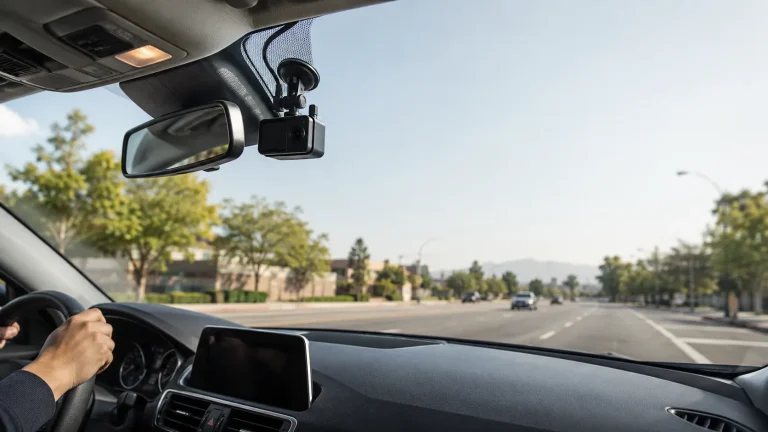
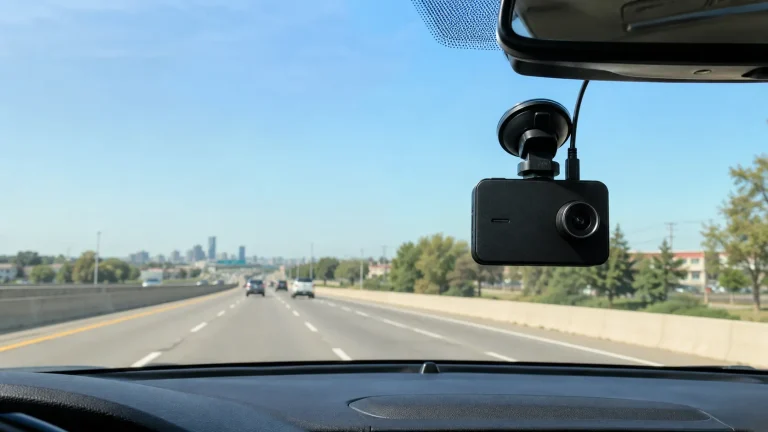
I mount the front camera high on the windshield, behind or near the rearview mirror. This position keeps it discreet and gives the lens a clear view of the road. I place the rear camera near the top center of the back glass, then route its cable through the headliner and rubber hatch boot.
A three-channel model adds an interior camera. I aim it toward the cabin without blocking the driver’s view or interfering with airbags. If the interior camera attaches to the main unit, installation stays simple. A separate camera needs another cable and a secure mounting point.
I tuck cables beneath the headliner and door trim, keeping them away from airbags and moving parts. I leave enough slack at hinges and use trim tools instead of forcing panels. I also check the camera view at night before securing each mount.
Hardwiring For Parking Mode
I use a hardwire kit with low-voltage protection when I want parking mode. The kit connects the dash cam to a fuse that stays powered when the vehicle is off and to a switched fuse that turns off with the ignition. I confirm each fuse with a circuit tester before connecting it.
The vehicle battery, camera settings, and parking features affect recording time. A three-channel camera can draw more power because it records more video. I set a voltage cutoff and test it after installation so the system does not drain the battery.
I avoid tapping safety systems, such as airbags or engine controls. A professional installer can identify suitable fuse locations and protect the wiring. I also check local rules before recording inside the cabin or nearby parked vehicles.
Storage And Maintenance
I choose a high-endurance microSD card that matches the camera maker’s capacity and speed requirements. Three-channel recording uses storage faster than dual-channel recording, especially at high resolution. I estimate storage needs from the combined recording bitrate, not only the front camera’s advertised resolution.
I format the card in the camera regularly and replace it when recording errors appear. I save important clips to another device before formatting. A large card does not replace routine checks because continuous recording repeatedly overwrites older files.
I inspect the lens, mounts, and cable connections each month. I clean windshield areas in front of the lenses and confirm that the rear and interior views remain aligned. I also check firmware updates, parking-mode behavior, and the camera’s date and time.
Cost, Privacy, And Legal Factors
I compare the purchase price, storage needs, and installation effort before choosing a camera. I also check local rules on audio recording, consent, privacy, and access to recorded footage.
Upfront And Ongoing Costs
A dual dash cam usually costs less than a three-channel model because it uses two cameras: one facing forward and one facing backward. A three-channel system adds an interior camera, which can raise the purchase price and installation cost.
I also budget for expenses beyond the camera. A larger microSD card, a high-endurance card, and a hardwire kit may cost extra. Three cameras create more video files, so they can fill the card faster and may increase storage or replacement needs.
| Cost factor | Dual dash cam | Three-channel dash cam |
|---|---|---|
| Cameras | Front and rear | Front, rear, and interior |
| Storage use | Lower | Higher |
| Installation | Usually simpler | Often more complex |
| Best value | Road coverage | Road and cabin coverage |
Consent And Audio Recording Rules
I check local law before enabling the microphone. Video rules and audio rules may differ, and some places require consent from everyone whose conversation the camera records. A camera that records passengers, rideshare customers, or coworkers can create additional privacy concerns.
I turn audio off when I do not need it, especially when passengers may speak inside the vehicle. I also avoid placing the camera where it blocks my view or violates vehicle equipment rules. For rideshare or work use, I check company policies and any required passenger notices.
Managing In-Car Footage
Interior footage can show faces, conversations, payment details, route information, and other private activity. I protect the files with a strong device password, limit app access, and avoid sharing clips that include unrelated passengers or bystanders.
I save only clips that I may need for a claim, report, or dispute. I delete routine footage on a regular schedule and remove files from cloud accounts when I no longer need them. If I share a clip, I review it first and blur or mute private details when practical.
Frequently asked questions
Is a dual dash cam the same as a two-channel dash cam?
Yes. A dual dash cam, also called a two-channel system, records two views. Most models use one camera for the road ahead and a second camera for the rear.
What does a three-channel dash cam record?
It records the front, rear, and inside of the vehicle. The interior camera can help document passenger activity, break-ins, or incidents involving rideshare passengers.
Which system gives better coverage?
I recommend a three-channel model when interior coverage matters. A dual dash cam usually provides enough coverage for private drivers who mainly need evidence of events outside the vehicle.
| Feature | Dual-channel | Three-channel |
|---|---|---|
| Front view | Yes | Yes |
| Rear view | Usually | Usually |
| Interior view | No | Yes |
| Storage use | Lower | Higher |
| Cost | Often lower | Often higher |
Does a three-channel camera need more storage?
Yes. Recording three video feeds uses more memory and may fill a microSD card faster. I would choose a high-capacity, dash-cam-rated card and check the camera’s supported limits.
Is a three-channel dash cam harder to install?
It can require more cable routing and careful camera placement. I would confirm that the interior lens does not have blocked visibility, glare, or an obstructed view of passengers.
Who should choose a three-channel model?
I would consider one for rideshare drivers, taxi operators, families, and anyone who wants recorded coverage inside the cabin. For many everyday drivers, a dual system costs less and meets their needs.
Conclusion
I would choose a dual dash cam if I mainly need road coverage. It records the front and rear views, uses less storage, and usually costs less than a three-channel system.
I would choose a three-channel dash cam if I need to record the cabin as well. This setup can help rideshare drivers, families, and anyone who wants evidence of events inside the vehicle. It also requires more storage and may need careful camera placement.
| My priority | Better choice |
|---|---|
| Front and rear coverage | Dual dash cam |
| Cabin recording | Three-channel dash cam |
| Lower cost and simpler setup | Dual dash cam |
| Rideshare or passenger protection | Three-channel dash cam |
I would compare video quality, night performance, parking mode, storage capacity, and installation requirements before buying. A reliable dual-channel model can meet most drivers’ needs, while a three-channel model makes sense when interior coverage matters.