Budget Dash Cam vs Expensive Dash Cam: What Changes?

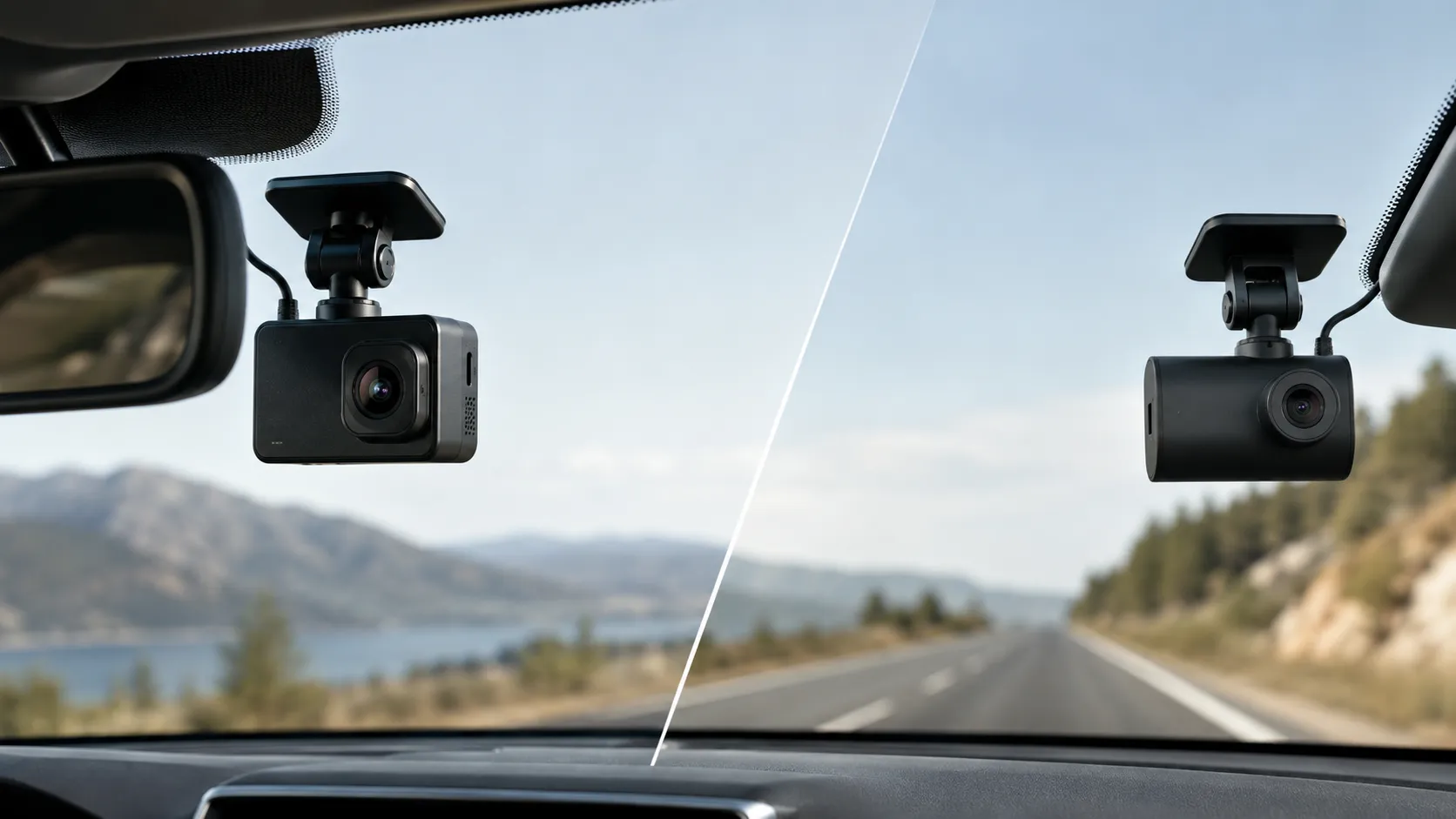
A budget dash cam can record useful road footage without many extras. An expensive model may add rear or cabin cameras, better connectivity, cloud access, stronger parking features, and easier file management. In a budget dash cam vs expensive dash cam choice, pay for features you will use, not price or resolution alone.
A good budget camera is often enough for basic front-road recording. A premium model makes more sense for rideshare work, frequent parking protection, multiple camera views, or remote access. The main limitation is that a higher price does not guarantee clearer evidence in every lighting or driving condition.
The price gap between dash cams can be large. One model may offer simple front recording. Another may include front and rear cameras, mobile data, cloud storage, parking alerts, and several accessories.
The best choice depends on what you need to record. It also depends on how much setup and maintenance you are willing to manage.
Before comparing individual models, review our car electronics guide for more information about cameras, sensors, and in-car devices.
What Changes When You Spend More?
Expensive dash cams often add features rather than improving every part of the recording. A premium model may have more cameras, faster wireless transfers, remote access, or a more complete parking system.
A lower-cost model may still provide sharp front footage, global positioning system data, high dynamic range, and app access. However, you may need to buy the storage card, hardwire kit, rear camera, or polarizing filter separately.
| Feature | Budget Dash Cam | Expensive Dash Cam |
|---|---|---|
| Camera coverage | Often front only | May cover front and rear |
| Video resolution | Usually HD or 2K | May offer 4K |
| Parking features | Basic or optional | Often more advanced |
| Connectivity | Wi-Fi may be included | Cloud or LTE may be available |
| File access | Card or local app | Local and remote options |
| Extra costs | Accessories may be separate | Subscriptions may apply |
Does a Premium Camera Record Better Video?
It can, but price alone does not prove better video. Resolution is only one part of image quality.
A camera also depends on its image sensor, lens, exposure control, video processing, and mounting angle. High dynamic range, often called HDR, can help balance bright and dark areas. It does not guarantee that every license plate will be readable.
Do Not Judge by the 4K Label Alone
A 4K camera records more pixels than a 2K or 1080p camera. More pixels can help when you crop or enlarge a frame. However, extra detail may be lost through motion blur, windshield glare, rain, darkness, or strong headlights.
A well-designed 2K camera may produce more useful footage than a weak 4K model in some scenes. Compare sample footage recorded during the day and at night. Look for movement, glare, shadows, and oncoming headlights.
Frame Rate Also Matters
Frame rate is the number of images recorded each second. A higher frame rate may make moving traffic look smoother. It can also increase file size or require a lower recording resolution.
Check which resolution and frame-rate combinations the camera supports. Do not assume the highest resolution also uses the highest frame rate.
One Camera or Several Cameras?
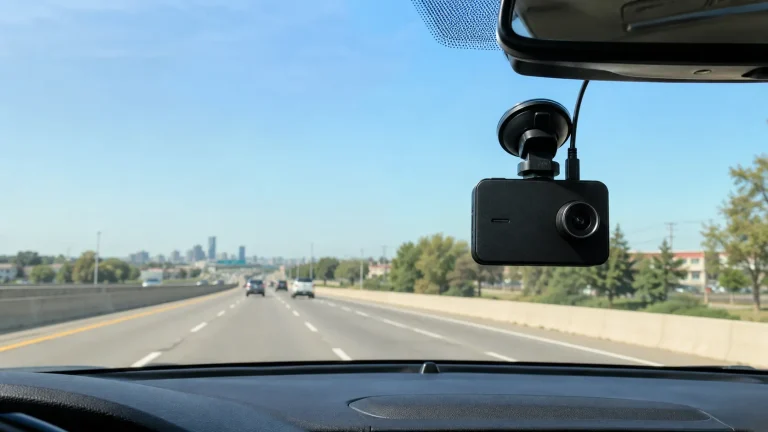
Many lower-cost models record only through the front windshield. This can be enough for commuters who mainly want a record of the road ahead.
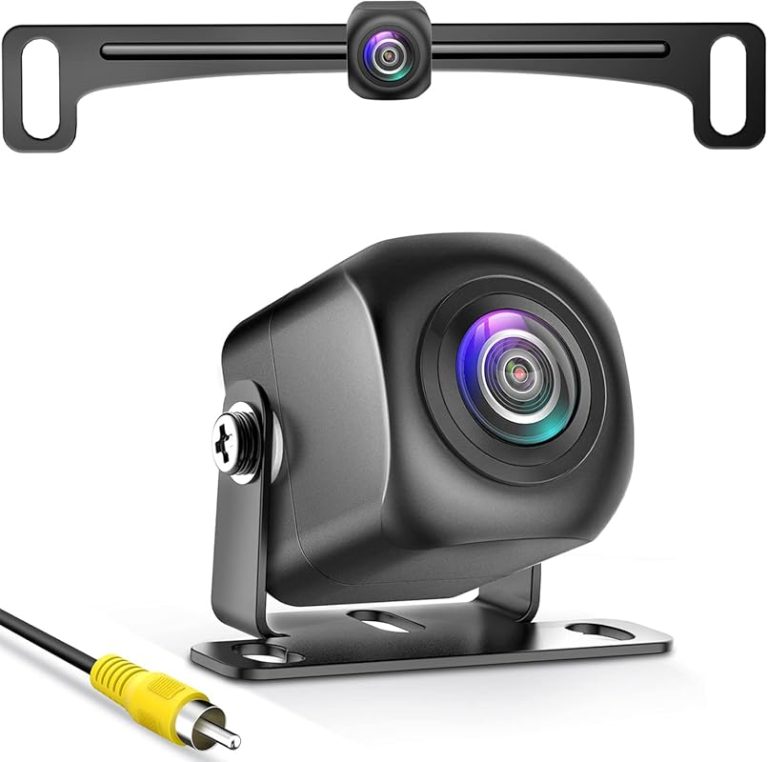
Premium systems may include rear and cabin cameras. Rear recording can capture a rear impact or traffic behind the car. A cabin camera may help rideshare drivers document activity inside the vehicle.
- Lower purchase cost
- Fewer cables to route
- Simple footage management
- Less storage used
- No rear collision view
- No cabin recording
- Less complete event context
- Limited parked coverage
Extra cameras also create more work. You may need longer cables, more storage space, and a careful route around curtain airbags and moving trim.
Check: Power connection, windshield space, factory sensor areas, rear-window design, cable length, app requirements, and memory-card limits. Limitations: A multi-camera kit may not fit every vehicle without extra cables, adapters, or professional installation.
Parking Mode Can Increase the Cost
Parking mode lets a dash cam record while the vehicle is parked. The exact behavior varies by model. Some cameras record after an impact. Others can record motion, time-lapse video, or footage from before an event.
A camera needs power for these features. Your normal accessory outlet may turn off when you remove the key. You may need a compatible hardwire kit, an always-powered connection, an on-board diagnostics port cable, or a separate dashcam battery.
Garmin explains that its Parking Guard and Parking Mode features need a constant power source on supported models. Battery age and temperature can also affect available parking time. Review the official Garmin parking-mode power guidance.
Premium cameras may offer more control over parking recording. That does not remove the need for correct wiring, battery protection, and regular testing.
Apps, Cloud Access, and LTE
A basic dash cam may store all footage on a memory card. You remove the card or connect to local Wi-Fi when you need a clip.
An expensive camera may add cloud access or long-term evolution connectivity, known as LTE. LTE lets a supported camera use mobile data. Depending on the model and plan, this may support remote viewing, location information, alerts, or automatic uploads.
BlackVue’s North American DR970X-2CH LTE Plus II, for example, lists cloud compatibility, built-in LTE support, GPS, Wi-Fi, front and rear cameras, and parking features. You can review the official BlackVue product details.
Cloud access is helpful only when the camera has a working internet connection. Coverage, heat, data limits, account settings, or subscription status may affect remote features.
Current Price Examples
Dashcam prices change with sales, storage size, camera count, and included accessories. The examples below were checked on July 27, 2026. They show the size of the gap, not a fixed market range.
| Current Example | Listed Price | Main Configuration |
|---|---|---|
| VIOFO A119 Mini 2 | $159.99 | 2K front camera |
| BlackVue DR970X LTE Plus II | $540.99 | 4K front, rear, LTE |
VIOFO lists the A119 Mini 2 with 2K recording, HDR, GPS, Wi-Fi, voice control, and supported parking modes. Check the official VIOFO specifications and current price.
The premium BlackVue example adds a rear camera, 4K front recording, built-in LTE hardware, cloud compatibility, and parking features. Its mobile service, accessories, installation needs, and storage choice can raise the total ownership cost.
Hidden Costs to Check
The camera price is only the starting point. A cheaper camera can become less affordable after you add missing parts. A premium camera may include more hardware but create monthly or yearly service costs.
- Memory card: The required type and maximum capacity vary.
- Hardwire kit: Parking recording may need a separate cable.
- Rear camera: It may be optional rather than included.
- Installation: Multi-camera wiring can require paid help.
- Cloud plan: Remote storage or alerts may need a subscription.
- Mobile data: LTE models may need a SIM card and data service.
- Battery pack: Long parking coverage may need separate power.
- Replacement parts: Adhesive pads, cables, and mounts can wear.
Storage and Maintenance Differences
Every dash cam needs regular checks. A costly model is not maintenance-free.
Higher-resolution cameras and multi-camera systems can create larger amounts of video. This may require a larger supported memory card or shorter storage history before old files are overwritten.
App and cloud users should also confirm that the camera is signed in, connected, and uploading as expected. A feature shown in the app does not prove that footage was saved.
For basic installation supplies and card readers, see our tools and garage gear.
Driver Safety Matters at Every Price
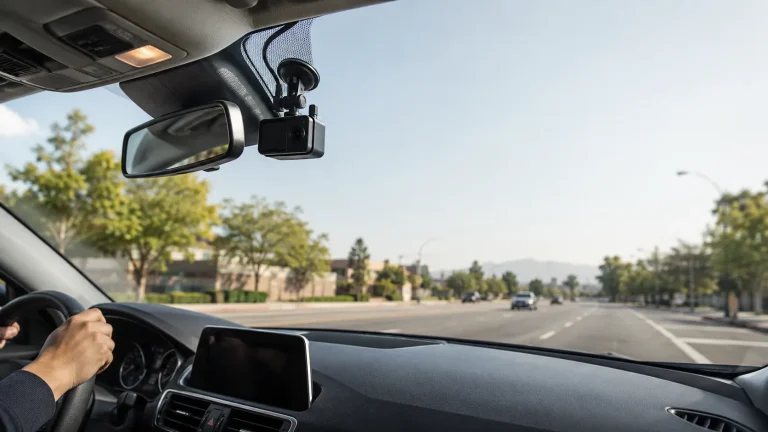
Both cheap and expensive cameras can distract a driver. A large screen, loose cable, repeated alert, or difficult button can pull attention away from the road.
Who Should Choose a Budget Dash Cam?
A budget camera can be the better choice when you need a simple record of the road ahead. It can also suit an older vehicle that does not need cloud or multi-camera integration.
Consider a lower-cost model when:
- You mainly need front-road recording.
- You drive and park in lower-risk areas.
- You do not need remote alerts.
- You can retrieve files from a card or local app.
- You want simple installation and fewer cables.
- You are willing to check recordings yourself.
Do not buy the cheapest model only because it records at a claimed high resolution. Check sample footage, storage support, mount quality, warranty terms, firmware access, and the included parts.
Who Should Choose an Expensive Dash Cam?
A premium system can make sense when missing footage would create a larger problem. Rideshare drivers, fleet operators, frequent travelers, and owners who park on busy streets may benefit from broader coverage.
Consider spending more when:
- You need front and rear recording.
- You need a separate cabin view.
- You want remote alerts or viewing.
- You regularly use parking recording.
- You need faster file transfers.
- You manage more than one vehicle.
- You value a more connected app system.
A premium model may still be the wrong purchase if you will not install its extra cameras, activate its services, or maintain its account and storage.
- Choose the camera views you truly need
- Compare day, night, and moving sample footage
- Check included storage and maximum card support
- Confirm parking-mode power requirements
- Check front, rear, and cabin installation space
- Add accessory, installation, data, and cloud costs
- Read the app, privacy, warranty, and return terms
- Confirm current windshield and recording rules
- Buy for your recording needs
- Compare complete ownership cost
- Test footage after installation
- Check files each month
- Judge quality by price alone
- Assume 4K solves every problem
- Ignore parking power needs
- Adjust the camera while driving
- Best for: A budget model suits drivers who need dependable front recording without cloud or multi-camera features.
- Think twice if: You are paying more only for a 4K label, unused app functions, or services that need extra fees.
- Next step: List your required camera views, parking needs, and total accessory costs before comparing models.
Frequently Asked Questions
No. A higher price may add cameras, cloud access, LTE, parking features, or a stronger app system. It does not guarantee clearer footage in every scene. Compare real recordings, included hardware, storage support, and the features you will use.
Yes. A budget dash cam can be worthwhile when you need basic front-road recording and easy local file access. Check image samples, memory-card requirements, mount quality, firmware support, and warranty terms instead of choosing the lowest price alone.
Not always. A 4K camera can provide more image detail, especially when cropping a frame. However, lighting, motion blur, glare, lens quality, and video processing also affect useful detail. A strong 2K camera may meet the needs of many drivers.
It can be. A rear camera adds footage of traffic and impacts behind your vehicle. The trade-offs are more wiring, greater storage use, and a higher total cost. Front-only recording may be enough when you want a simpler system.
Parking mode uses power, so the setup can affect the vehicle battery. The result depends on the camera, power cable, cutoff settings, recording time, battery condition, and temperature. Use compatible battery-protection hardware and follow the manufacturer’s installation instructions.
Some do, but not all. Local recording often works without a paid plan. Cloud storage, remote viewing, extended video retention, LTE data, or advanced alerts may require a separate subscription. Check which features remain available without payment.
Possible extras include a memory card, hardwire kit, rear camera, battery pack, polarizing filter, installation labor, cloud plan, and mobile data. Check the box contents and required accessories before comparing the final cost of two cameras.
Conclusion
In a budget dash cam vs expensive dash cam comparison, the lower-cost option often wins for simple front recording. The expensive option becomes more useful when you need extra camera views, connected parking features, remote access, or easier fleet management.
Owners should compare the full cost, including storage, wiring, accessories, installation, and subscriptions. Drivers should choose a camera that works quietly without blocking their view or demanding attention.
The main limitation is that neither price nor resolution guarantees perfect footage. Confirm vehicle compatibility, review current sample videos, check local mounting and recording rules, and test the camera before relying on it. Our safety gear guide covers more equipment for everyday driving and roadside use.